
⏱️ Estimated reading time: 11 min

Key Takeaways
What physical factors cause snoring to occur?
Snoring occurs when airflow through the upper airway becomes partially blocked, causing the soft tissues of the throat, uvula, and tongue to vibrate during sleep. This vibration isn’t random it’s driven by anatomical and physiological factors that determine how open or narrow your airway stays at night.
Does nasal congestion or a deviated septum make snoring more likely?
When the nasal passages are blocked due to allergies, a cold, or a deviated septum, air struggles to pass smoothly through the nose. This forces mouth breathing, which makes the soft palate and throat tissues vibrate more. Chronic nasal congestion or structural blockages amplify the noise and intensity of snoring.
How do age, gender, and weight influence snoring?
With age, muscle tone in the throat and tongue naturally decreases, allowing tissues to collapse more easily during sleep. Men are statistically more prone to snoring because of narrower airways and a greater tendency to carry fat around the neck.
Meanwhile, excess body weight, especially in the upper body, adds pressure to the airway, further increasing vibration and obstruction.
Can sleeping position or relaxed throat muscles lead to louder snoring?
Yes. When you sleep on your back, gravity pulls the tongue and soft palate toward the back of the throat, narrowing the airway. In deep sleep, muscle relaxation makes these tissues even more likely to collapse. As airflow becomes turbulent, the sound of snoring grows louder and more irregular.
In essence, the anatomy of your nose, mouth, and throat, along with body composition and sleep posture, determines whether your breathing stays quiet or resonates into nighttime noise.
| Factor | How It Causes Snoring | Typical Solution |
|---|---|---|
| Nasal congestion or deviated septum | Restricts nasal airflow, forcing mouth breathing and vibration of throat tissues | Nasal sprays, saline rinses, or septoplasty |
| Excess weight | Increases fat around the neck, compressing the airway | Weight loss, exercise |
| Sleeping on the back | Gravity causes the tongue and soft palate to collapse backward | Side sleeping, anti-snoring pillows |
| Alcohol and sedatives | Relax throat muscles, increasing tissue vibration | Limit intake before bedtime |
| Aging | Reduces muscle tone in airway structures | Throat exercises, consistent sleep patterns |
What can partners do?
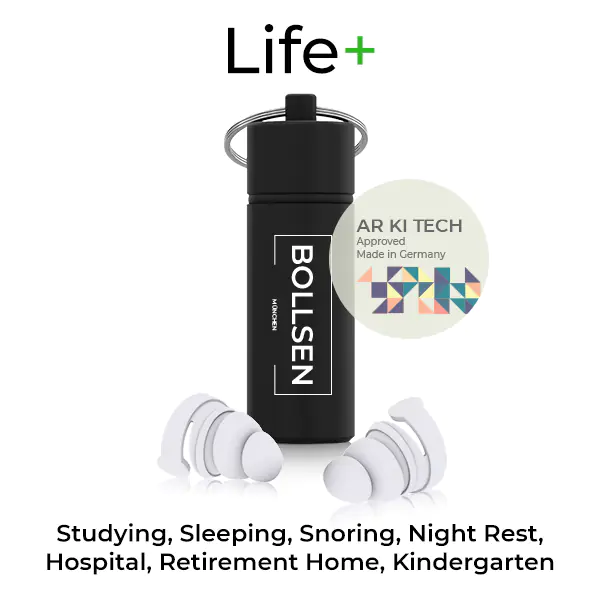
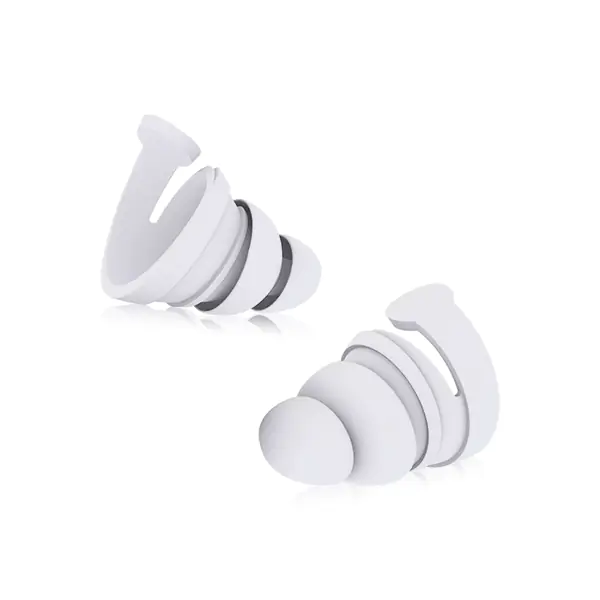
While treating the underlying cause is essential, partners of snorers also deserve peaceful sleep. Using high-quality earplugs for sleeping can help to block up to 25–30 decibels of noise, helping partners rest without interruption.
Modern silicone or reusable earplugs are designed for comfort, allowing users to sleep on their side while keeping the ear canal protected. Combined with a white noise machine or calming bedtime routine, earplugs can restore tranquility and improve sleep quality for both people in the room.
Immediate reduction in nightly dB exposure is the most direct protective step. Sleep-rated earplugs for snoring environments covers the full range of options. Best earplugs for snoring compared by attenuation rating narrows the field to those that perform at the 55-65 dB range typical of bed partner snoring.
The Sleep Foundation guidance on managing snoring disruption recommends a layered approach for snoring partners: earplugs for noise attenuation, white noise to mask residual sound, and positional prompts to reduce snoring frequency where possible.
That layered approach addresses comfort and masking but does not reduce the raw dB dose. Whether chronic snoring exposure can damage your hearing follows a cumulative pattern that masking alone cannot interrupt.


What health conditions or lifestyle habits contribute to snoring?
Snoring isn’t always just about anatomy it’s often fueled by health conditions and daily habits that influence how easily air moves through your airway. From alcohol intake to sleep apnea, these factors can turn mild snoring into a chronic problem.
Are alcohol, smoking, or sedative use connected to snoring?
Absolutely. Alcohol, smoking, and sedatives relax the muscles of the throat and tongue, narrowing the airway and making tissue vibration louder. Alcohol also reduces your body’s ability to wake up from breathing interruptions, which can worsen snoring or trigger sleep apnea.
Meanwhile, smoking irritates and inflames the nasal passages, causing congestion that restricts airflow.
How do pregnancy, menopause, or thyroid issues affect snoring risk?
Hormonal changes influence how the body manages airway stability. During pregnancy, increased blood volume and nasal swelling make breathing noisier. Menopause often reduces estrogen and progesterone, both of which help keep airway muscles toned. Similarly, hypothyroidism can lead to weight gain and tissue swelling that increase snoring intensity.
Is persistent snoring a sign of obstructive sleep apnea?
In many cases, chronic snoring can signal obstructive sleep apnea (OSA), a condition where the airway repeatedly collapses during sleep. OSA disrupts normal breathing patterns, causing frequent awakenings, loud gasping, and morning fatigue. Left untreated, it raises the risk of high blood pressure, heart disease, and daytime cognitive decline.
In short, snoring often reflects what’s happening inside your body from hormones and lifestyle choices to respiratory health. Identifying these underlying factors is key to finding lasting relief.
What are the potential consequences of chronic snoring?
Chronic snoring isn’t just a nighttime nuisance it can be a sign of deeper health and lifestyle imbalances that affect your physical and mental well-being. Understanding these effects can help you recognize when snoring has moved beyond an inconvenience to a serious concern.
Does snoring affect daytime alertness and mental health?
Frequent snoring fragments sleep cycles, preventing you from reaching deep, restorative sleep stages. The result is daytime fatigue, poor concentration, irritability, and even mood disturbances like anxiety or depression. Over time, sleep disruption can impair memory, decision-making, and emotional regulation.
How does snoring impact cardiovascular health?
When snoring is linked to obstructive sleep apnea, oxygen levels in the blood drop repeatedly during the night. This triggers stress responses in the body that raise blood pressure, strain the heart, and increase the risk of stroke, arrhythmia, and metabolic disorders. Even primary snoring can contribute to mild cardiovascular strain if left unmanaged.
What strains can snoring place on relationships?
Snoring affects more than just the sleeper it can disturb a partner’s rest, leading to frustration, separate bedrooms, and relationship tension. Poor sleep on both sides often fuels daytime irritability and decreased intimacy. Only open communication, empathy, and proactive solutions can help restore harmony at night.
In short, chronic snoring can ripple across every aspect of life from your heart health to your mental clarity and relationships. Recognizing these consequences is the first step toward addressing the problem and reclaiming truly restful sleep.
A PubMed study on snoring noise and hearing damage found that chronic snoring produces noise levels sufficient to cause measurable noise-induced hearing loss in bed partners, adding hearing damage to the well-documented cardiovascular consequences of habitual snoring.
Irregular volume spikes and breathing pauses indicate a different physiological mechanism than sustained tissue vibration. Earplugs for sleep apnea and the diagnostic distinction from snoring separates the two conditions by airway obstruction degree and the interventions each requires.
Irregular volume spikes and breathing pauses indicate a different physiological mechanism than sustained tissue vibration. Earplugs for sleep apnea and the diagnostic distinction from snoring separates the two conditions by airway obstruction degree and the interventions each requires.How can someone effectively reduce or stop snoring?
Snoring doesn’t have to be a life sentence with the right lifestyle changes, devices, and medical interventions, most people can dramatically reduce it or even stop it altogether. The key is finding what’s causing your airway to vibrate and addressing it from the source.
Which lifestyle changes can help reduce snoring?
Small adjustments often make the biggest difference. Losing excess weight, avoiding alcohol and sedatives before bed, and quitting smoking all improve airflow and reduce throat relaxation. Changing your sleep position, especially sleeping on your side instead of your back, can also help keep the airway open. Maintaining regular sleep schedules ensures your muscles stay in rhythm and less prone to collapse.
Do anti-snoring devices or medical treatments really work?
Yes, but results depend on the cause. Mandibular advancement devices reposition the jaw to widen the airway, while nasal dilators or strips help reduce nasal blockage.
For moderate to severe sleep apnea, CPAP machines remain the gold standard, providing continuous airflow through a mask to prevent airway collapse. In persistent cases, surgical procedures such as uvulopalatoplasty or septoplasty can correct structural blockages.
When should you see a doctor about snoring?
If snoring is accompanied by gasping, choking, or pauses in breathing, it may indicate obstructive sleep apnea. You should also seek medical advice if you experience daytime sleepiness, morning headaches, or your partner notices loud, irregular snoring patterns.
A professional evaluation, often including a sleep study, can confirm whether medical treatment is needed.

His connection to hearing protection stems from personal experience with sound sensitivity during live events and work in noisy environments, an issue that made him more aware of the long-term risks of unmanaged noise exposure. Today, as both a communicator and a user of BOLLSEN products, he is passionate about raising awareness around the importance of proactive hearing care.
At BOLLSEN, he develops data-driven marketing campaigns, writes SEO-focused articles, and manages communication channels that connect customers with practical knowledge about hearing protection. His work ensures that BOLLSEN’s message—prioritizing health, performance, and sustainability reaches a global audience in an engaging and trustworthy way.
Passionate about writing since childhood, Timotej combines creativity with a strong analytical approach, continuously testing new ideas in digital marketing, performance advertising, and social media. He believes in learning through innovation and collaboration, balancing leadership with openness to new perspectives.
Beyond his professional role, Timotej is committed to a healthy lifestyle and finds inspiration in fitness, sports, and quality time with friends. His personal passion for well-being aligns with BOLLSEN’s core values, making his work not only a career but also a cause he deeply believes in.
Comments are closed.