
⏱️ Estimated reading time: 7 min

Key Takeaways
Ear tubes (also called grommets or tympanostomy tubes) are one of the most common ENT procedures especially for children, but also for adults who struggle with recurrent ear infections or persistent fluid behind the eardrum.
Most families are told:
“The surgery is simple. The recovery is simple.”But in reality, good aftercare matters. What you do (or don’t do) in the first weeks after ear tubes can influence healing, comfort, and infection risk.
This guide brings together what leading ENT clinics consistently recommend, in plain language.
What to expect right after ear tubes
For most patients, recovery is straightforward:
Pain
- Usually minimal or mild
- Managed with simple pain relief (paracetamol/acetaminophen or ibuprofen)
- Severe pain is not normal → contact your ENT.
Ear discharge (drainage)
You may see:
- Clear fluid
- Slightly bloody fluid
- Yellowish fluid
This is normal for a few days.
Call your doctor if drainage:
- Becomes thick, green, or foul-smelling
- Lasts longer than a week
- Returns after it had stopped
Hearing changes
Temporary muffled hearing or “fullness” is common.
This usually improves as the ear settles and fluid drains through the tube.
Can water get into the ears after tubes?
This is where advice varies slightly between clinics but there is a clear pattern.
Bathing & showering
Most guidelines agree:
- Normal bathing is usually fine
- Avoid pouring water directly into the ears
- Avoid fully submerging the head in soapy bathwater
If a little splash gets in that’s generally fine.
If you want extra protection, many clinics suggest:
- Cotton wool with a small amount of Vaseline
- Water-specific earplugs
- A shower cap or headband
Swimming after ear tubes, what’s safe?
Here is where recommendations consistently converge:
Clean swimming pools
Many ENT clinics say surface swimming in clean pools is usually acceptable. They also acknowledge that earplugs are a sensible precaution, especially for younger children.
Lakes, rivers, or the sea
Earplugs are strongly recommended for swimming in lakes, river, or the sea. Untreated water carries a higher infection risk.
Diving or deep swimming
Most clinics advise:
- Avoid diving
- Avoid going deeper than about 1 meter (3 feet)
- If you must go deeper → use well-fitting water earplugs
Should you use earplugs after grommets?
The balanced answer is:
- Not strictly required in all situations
-
But often advisable in real life, especially if your child:
- Swims often
- Spends time in lakes or the sea
- Is prone to ear infections
- Complains of discomfort when water enters the ear
Many parents find earplugs reduce anxiety and make swimming easier.
What type of earplugs work best?
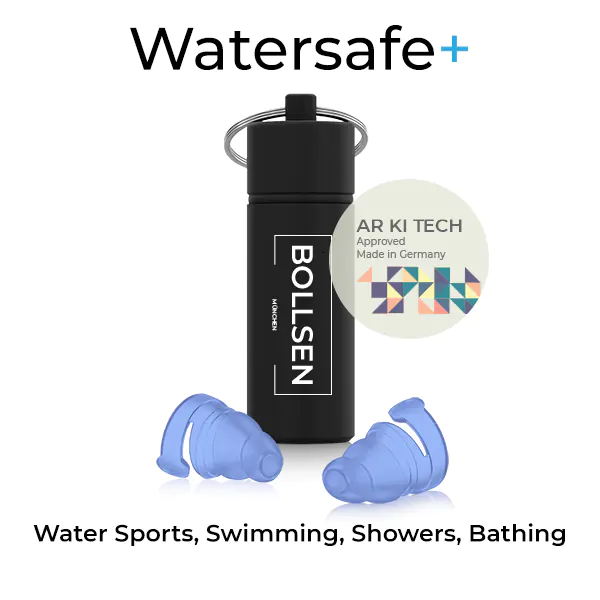
If you decide to use earplugs after ear tubes, soft silicone water earplugs are generally the best all-round choice for most children and adults.
High-quality silicone earplugs are specifically designed for water exclusion, not noise reduction, which makes them better suited for swimming, bathing, and water play than foam or generic plugs. When properly fitted, they create a gentle but reliable seal at the entrance of the ear canal keeping water out without pressing deeply inside the ear.
Why silicone earplugs are the best option:
- Comfortable for longer wear
- Easy to insert and remove
- Reusable and hygienic
- Effective in pools, lakes, and the sea
- Suitable for everyday family use


Activity after ear tubes
Most children can:
- Return to school the next day
- Play normally
- Resume sports quickly
Caution is mainly needed with:
- Contact sports
- Activities with a high risk of head impact
Your ENT will advise case-by-case.
Follow-up appointments, why they matter
Almost every clinic stresses this:
- First check: 2–3 weeks after surgery
- Tubes are inspected
- Hearing may be tested
- Further follow-ups every 4–6 months until tubes fall out naturally
Tubes usually stay in place 6–12 months, sometimes longer.
When should you call the doctor?
Seek medical advice if you notice:
- Fever over 38.3°C (101°F)
- Severe or worsening ear pain
- Thick green discharge
- Persistent bad smell from the ear
- Sudden hearing loss or severe dizziness
These are not expected and should be checked.

His connection to hearing protection stems from personal experience with sound sensitivity during live events and work in noisy environments, an issue that made him more aware of the long-term risks of unmanaged noise exposure. Today, as both a communicator and a user of BOLLSEN products, he is passionate about raising awareness around the importance of proactive hearing care.
At BOLLSEN, he develops data-driven marketing campaigns, writes SEO-focused articles, and manages communication channels that connect customers with practical knowledge about hearing protection. His work ensures that BOLLSEN’s message—prioritizing health, performance, and sustainability reaches a global audience in an engaging and trustworthy way.
Passionate about writing since childhood, Timotej combines creativity with a strong analytical approach, continuously testing new ideas in digital marketing, performance advertising, and social media. He believes in learning through innovation and collaboration, balancing leadership with openness to new perspectives.
Beyond his professional role, Timotej is committed to a healthy lifestyle and finds inspiration in fitness, sports, and quality time with friends. His personal passion for well-being aligns with BOLLSEN’s core values, making his work not only a career but also a cause he deeply believes in.
Comments are closed.