
⏱️ Estimated reading time: 11 min

Key Takeaways
Yes. Loud snoring can reach 85–100 decibels, loud enough to damage the sensitive hair cells in your inner ear over time.
Both the snorer and their partner. The person sleeping closest to the snorer often experiences one-sided hearing loss.
Sleep apnea reduces oxygen and blood flow to the inner ear, making the damage from loud snoring worse.
Ringing in the ears, muffled hearing in the morning, or one ear hearing worse than the other are early warning signs.
Use comfortable earplugs, treat sleep apnea, and create a quieter bedroom with white noise or side sleeping.
Snoring itself will not usually damage the snorer’s own hearing, but it can affect the person sleeping next to it. Loud snoring reaches 80 to 90 dB, and a partner exposed to that night after night can develop ear pain, ringing (tinnitus), and, over years, a small added risk to hearing. The fix is not medical, it is simply reducing the sound that reaches the ear with a well-sealed earplug.
How Can Loud Snoring Actually Harm Your Ears?
Snoring isn’t just a funny or annoying habit, it’s a real health issue that can affect your ears, sleep, and overall well-being. Loud snoring happens when air struggles to move freely through your throat during sleep, creating vibrations that can reach dangerous sound levels. According to studies, heavy snorers can produce noise between 50 and 100 decibels, which is similar to a motorcycle engine or a busy street corner.
Hearing this type of sound every night puts constant strain on your inner ear, where thousands of delicate hair cells help translate sound waves into electrical signals for the brain. Once these hair cells are damaged, they don’t regenerate. Over time, this leads to gradual, often irreversible hearing loss.
A study published on PubMed found that partners of heavy snorers experienced changes in their hearing thresholds, especially at 4 kHz and 8 kHz the frequencies most sensitive to early noise-induced damage. These findings show that snoring can cause the same kind of harm that industrial noise does in factory workers. Another study from CENTA Medical and the ENT Center confirmed that people with obstructive sleep apnea (OSA), a condition where breathing repeatedly stops during sleep, have a much higher risk of hearing loss due to both loud snoring and lower oxygen levels that reduce blood flow to the cochlea.
Snoring noise also affects the brain’s ability to process sound. Constant exposure while asleep reduces the brain’s tolerance to everyday sounds, leading to increased noise sensitivity, trouble following conversations in noisy rooms, and symptoms such as tinnitus (ringing in the ears). Over time, this can cause stress, fatigue, and poor cognitive focus.
Snoring Impacts More Than Sleep
A UK survey conducted by Specsavers revealed how deeply snoring affects people’s daily lives and relationships:
| Survey Question (Specsavers, UK) | Result |
|---|---|
| People who believe snoring damaged their hearing | 48% |
| Partners disturbed by their partner’s snoring | 87% |
| Couples who have considered splitting up due to snoring | 10% |
| People who plan to wear earplugs to sleep | 22% |
| People who plan to get a hearing test | 21% |
Source: Audiology World News – The Deafening Snore survey by Specsavers (UK). A PubMed study on snoring noise and hearing loss in bed partners found that bed partners of heavy snorers showed patterns of noise-induced hearing loss consistent with chronic noise exposure, particularly in the ear closest to the snoring source.
Tinnitus is often the first measurable sign of cochlear threshold shift. Whether earplugs help with tinnitus onset from cumulative snoring exposure follows the same pattern documented in occupational NIHL research. Where snoring involves gasping or irregular breathing, earplugs for sleep apnea and their role when hearing damage is progressive addresses how oxygen desaturation compounds the cochlear stressor.
This data highlights that snoring isn’t just a private sleep issue, it’s a shared health and emotional problem. Nightly exposure to snoring can lead to hearing fatigue, relationship tension, and a decline in sleep quality for both partners. Many respondents said that earplugs and hearing tests helped them manage the problem before it worsened.
What Signs Show That Snoring Might Be Hurting Your Hearing?
Snoring and hearing loss are linked through both noise exposure and oxygen deprivation. Because snoring usually happens while you’re asleep, you may not notice the damage building up over time. Recognizing early warning signs can help prevent long-term problems.
Ringing or Muffled Hearing in the Morning
If you wake up with ringing, buzzing, or muffled hearing, your ears might be reacting to excessive noise. This is called temporary threshold shift, a condition where the ears become less sensitive after exposure to loud sound. While it often fades during the day, regular exposure, like sleeping next to a snorer, can make it permanent.
One Ear Seems Weaker Than the Other
Studies show that people who share a bed with loud snorers often develop unilateral hearing loss, meaning only one ear (the one facing the snorer) is affected. This is because one side of the head is exposed to constant noise while the other is shielded by the pillow. Over time, this can cause lasting asymmetry in hearing ability.
Feeling Tired, Dizzy, or Off Balance
Snoring can also affect balance and focus. Interrupted sleep from snoring and low oxygen levels affects how well your ears and brain communicate, leading to fatigue, dizziness, and slower reaction times. This can also increase sensitivity to background sounds, making it harder to concentrate during the day.
Our article on whether snoring-related hearing damage can cause tinnitus at night covers this risk in detail.
Read our article on how sleep apnea worsens hearing damage.
The NHS tinnitus information page lists tinnitus (ringing in the ears) as one of the earliest and most reliable indicators of noise-induced hearing damage, a symptom that should prompt an audiology review if experienced regularly after nights next to a loud snorer.How Can You Protect Your Ears from a Snoring Partner?
While it might be hard to stop snoring completely, there are practical steps you can take to protect your hearing and get better rest.
Use Comfortable Earplugs at Night
Wearing earplugs is one of the simplest and most effective ways to reduce noise exposure. Good-quality earplugs can lower snoring noise by 15–30 decibels, bringing it down to a safe level. Reusable silicone or foam earplugs are ideal because they’re comfortable, hygienic, and designed for long sleep sessions.
Treat the Cause: Sleep Apnea
If the snoring includes pauses in breathing or loud gasps for air, it may be a sign of sleep apnea. Seeing an ENT specialist or audiologist can help diagnose and treat the condition. Treatment options include CPAP therapy, which keeps airways open, or oral devices that reposition the jaw to improve airflow. Managing sleep apnea not only lowers snoring noise but also protects the ears from oxygen-related damage.
Create a Quieter, Healthier Sleep Space
Improving your sleep environment helps reduce the effects of snoring noise. Use a white noise machine or calming sound app to mask snoring sounds. Sleeping on your side instead of your back can reduce throat vibration and snoring intensity. Avoiding alcohol and heavy meals before bed also improves breathing quality. For couples, using separate bedding or staggered sleep schedules can reduce nightly exposure.
When to See a Specialist
If you notice ringing, ear pain, or hearing differences between ears, it’s important to get a hearing test. Audiologists can measure early signs of noise damage even before you notice hearing loss. In some cases, they might recommend custom earplugs or hearing protection designed for sleeping.
Snoring may seem harmless, but over time, it can quietly damage one of your most important senses. Understanding the connection between snoring, sleep apnea, and hearing health helps you take control, protecting not only your ears but also your energy, focus, and relationships.
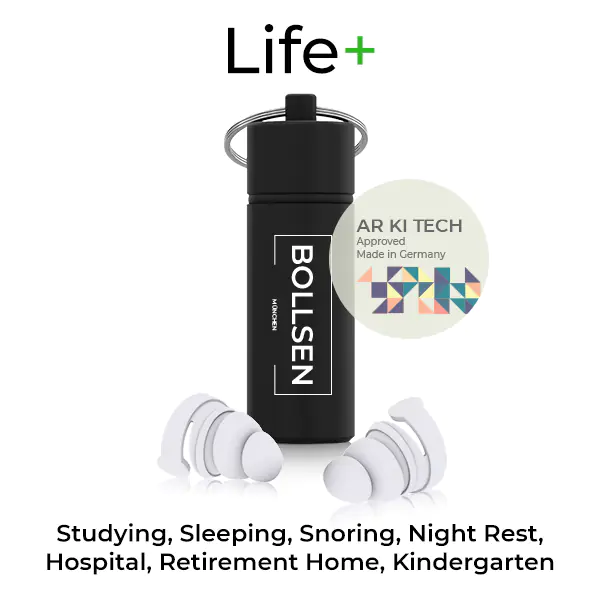
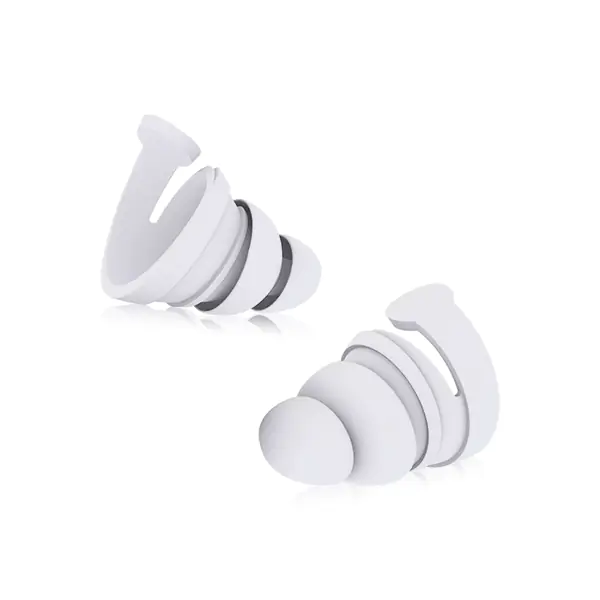
Reducing that nightly dB exposure is the most immediate protective step. Sleep-rated earplugs for snoring noise protection covers the full range of passive attenuation options. Life+ earplugs rated 24 dB SNR, reusable up to 100 times are designed for the sustained nightly use this scenario requires. Best earplugs for snoring protection compared by attenuation rating identifies which specifications consistently perform at the 55-65 dB snoring range.
Browse our full guide to sleep earplugs.
Discover Life+ earplugs for snoring protection, rated 24 dB SNR, reusable up to 100 times.
See our guide to the best earplugs to protect hearing from a snoring partner.
The RNID guide to noise-induced hearing loss explains that noise-induced hearing loss is permanent and irreversible once it occurs, making early prevention through noise attenuation the only clinically reliable approach.


Frequently Asked Questions
Can snoring cause hearing loss?
Snoring rarely harms the snorer’s hearing, but a partner exposed to 80 to 90 dB snoring every night faces a small, cumulative risk over years. Blocking the noise with earplugs removes that exposure.
Can snoring cause ear pain?
Yes, for the partner. Ongoing loud snoring can leave the exposed ear feeling sore or full, much like any prolonged loud noise. Reducing the sound that reaches the ear relieves it.
Can snoring cause tinnitus?
Repeated loud-noise exposure, including a partner’s nightly snoring, can trigger or worsen ringing in the ears. Lowering the noise level with earplugs is the simplest protective step.
How can you protect your ears from a snoring partner?
Wear soft, well-sealed earplugs rated around 24 dB SNR each night. They lower loud snoring to a soft hum and remove the repeated noise exposure that causes pain, ringing, and long-term risk.

His connection to hearing protection stems from personal experience with sound sensitivity during live events and work in noisy environments, an issue that made him more aware of the long-term risks of unmanaged noise exposure. Today, as both a communicator and a user of BOLLSEN products, he is passionate about raising awareness around the importance of proactive hearing care.
At BOLLSEN, he develops data-driven marketing campaigns, writes SEO-focused articles, and manages communication channels that connect customers with practical knowledge about hearing protection. His work ensures that BOLLSEN’s message—prioritizing health, performance, and sustainability reaches a global audience in an engaging and trustworthy way.
Passionate about writing since childhood, Timotej combines creativity with a strong analytical approach, continuously testing new ideas in digital marketing, performance advertising, and social media. He believes in learning through innovation and collaboration, balancing leadership with openness to new perspectives.
Beyond his professional role, Timotej is committed to a healthy lifestyle and finds inspiration in fitness, sports, and quality time with friends. His personal passion for well-being aligns with BOLLSEN’s core values, making his work not only a career but also a cause he deeply believes in.