⏱️ Estimated reading time: 10 min
Summarize with AI

⏱️ Estimated reading time: 10 min
Custom-moulded sleep earplugs are created to match the individual shape of a person’s ear canal. They are usually crafted from silicone and are made of durable materials designed to block outside noise during rest. Unlike foam or wax plugs, they require a fitting process, either through an audiologist or a do-it-yourself kit. Once produced, they take two to four weeks to arrive and often cost significantly more than standard alternatives. These earplugs claim to provide 25 to 30 decibels of noise reduction and last three to five years with proper maintenance.
For anyone struggling with sleep disruptions caused by noise, custom-moulded solutions can sound appealing. Compared with standard earplugs for sleeping, they promise a fit shaped to the exact curves of your ear canal. Yet they are not always the right choice for everyone. Their advantages and shortcomings need to be viewed carefully. At the same time, technology now allows precision fitting through photo-based measurement methods that deliver high accuracy without impressions, wait times, or the steep price tag.
Because protection levels are always measured with standardized ratings such as NRR and SNR, it is important to understand Noise-Reduction Ratings (NRR vs SNR) for Sleep Earplugs, which explain how these values are calculated and what they mean in real-life use.
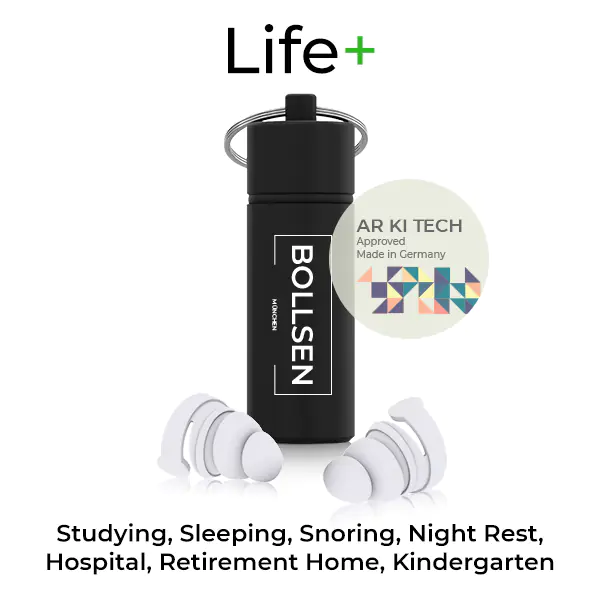
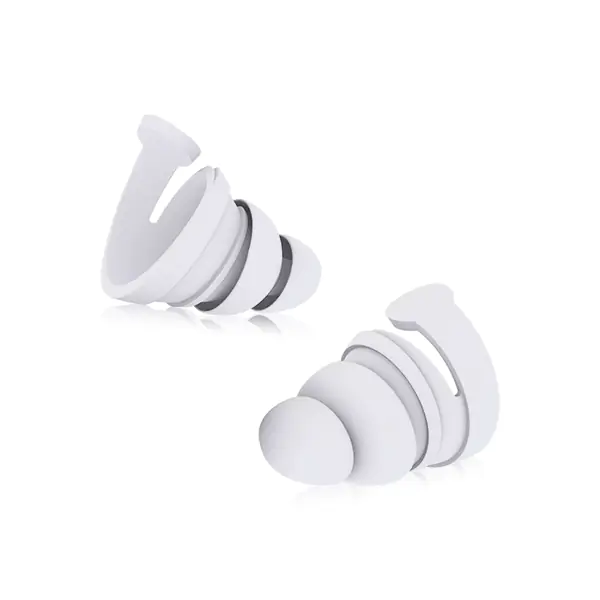
Custom-moulded earplugs are made from an impression of your ear, so they fit precisely, but for most sleepers they are not worth the cost or the wait. They are expensive, need an audiologist appointment, and take weeks to make. A soft, universal-fit silicone plug such as the Bollsen Life+ gives most of the comfort and seal for a fraction of the price and is ready to use tonight, which is why universal-fit plugs suit the majority of people trying to sleep through noise.
These earplugs are designed to fit the exact curves of an individual ear canal. A personalized shape helps them prevent movement during the night. This fit is one of the main selling points, especially for people who struggle with foam or wax plugs slipping out.
That said, being custom-made does not guarantee perfect comfort. Some side sleepers still report discomfort because rigid silicone can press into the ear against the pillow. For people seeking alternatives, it helps to compare materials. Comfort often depends on the material used, and guides on foam vs silicone vs wax earplugs highlight which earplug material is best for sleeping depending on personal preference.
Custom models last three to five years with care. This makes them more sustainable than disposable plugs that need daily replacement. They also reduce waste from single-use products.
However, they require a high upfront payment, often £150 to £250 per pair. Over time, this can balance out if used nightly. But for occasional users, the value may not justify the expense.
Custom sleep plugs provide around 25 to 30 dB of attenuation. This is enough to reduce most common sleep disturbances such as snoring, traffic, or household noise. They can support longer stretches of deep sleep by cutting down on interruptions.
Canal taper, diameter, and insertion angle each affect seal quality more than material choice does. How to find the best fit earplugs by canal geometry explains what a proper seal actually requires before committing to custom moulding.
The RNID guidance on hearing protection effectiveness notes that correct fit is the most important determinant of real-world noise attenuation, the primary advantage of custom-moulded earplugs, which are individually formed to the exact geometry of the wearer’s ear canal.
One of the main drawbacks is price. Custom plugs cost much more than other options. A single pair can equal the price of a year’s worth of disposables. They also require ear impressions taken in a clinic or through a home kit. Production and delivery take two to four weeks. This means they are not available instantly.
Like any reusable product, they require consistent cleaning. Without cleaning, bacteria can accumulate and lead to ear infections. Improper use may also cause discomfort.
Because infection risk increases without proper cleaning, it is important to know how to insert and care for sleep earplugs to prevent ear infections so they remain safe for long-term use.
Although many people report a good fit, they aren’t always ideal for side sleepers. Rigid silicone can press into the pillow and create discomfort. For sleepers who spend much of the night on their side, choosing earplugs for side sleepers based on flexibility and low profile can be more practical than investing in custom moulds.
Custom models make sense for those facing the same noise problems every night. They are suited for people living with heavy snorers or in noisy neighborhoods. They help shift workers who must rest during the day while outside sounds continue.
But they may not be needed for travelers or people who only require occasional noise protection. In these cases, reusable silicone or wax plugs may suffice.
Custom earplugs can be worn nightly and their safety has been proven proffesionaly as long as they are kept clean and replaced every few years. They should be checked for wear to maintain effectiveness. Many people ask if nightly use is safe. The answer is yes, provided hygiene is respected. More on this can be found in are earplugs safe to wear every night? tips to avoid discomfort and side effects.
In the past, custom moulds were the only option for a personalized fit. Today, new approaches make it possible to achieve high accuracy without impressions. Photo-based measurement offers up to 98 percent precision and removes delays in production. This kind of alternative brings a personalized solution without requiring visits or long wait times.
Before making a choice, it is useful to review the buying process for custom-moulded sleep earplugs and compare it with modern fitting alternatives that deliver comparable results faster.
The HSE Noise at Work Regulations require that hearing protection provides adequate attenuation for the specific noise environment, a standard that custom-moulded earplugs are particularly well-suited to meet in both occupational and nightly sleep contexts.
Custom-moulded sleep earplugs offer a tailored fit and extended lifespan. They have drawbacks including higher cost, wait times, and comfort issues for some sleepers. They may be worth considering for individuals who face chronic disturbances such as snoring or traffic noise.
For others, especially side sleepers or occasional users, modern alternatives that provide accurate fitting through digital measurement can deliver many of the same benefits with fewer limitations. The choice depends on individual needs, frequency of use, and budget.
Ultimately, custom-moulded sleep earplugs are a solution that work best under specific conditions, but they are not the only option available for achieving quiet, restful nights.
For most people, no. They fit precisely but cost far more and take weeks to make. A well-sized universal-fit silicone plug delivers most of the comfort and noise blocking at a fraction of the price.
Custom plugs win on exact fit, but universal-fit soft silicone wins on price, availability, and easy replacement. For nightly sleep, most people are better served by a quality universal-fit plug like the Bollsen Life+.