⏱️ Estimated reading time: 8 min
Summarize with AI

⏱️ Estimated reading time: 8 min
Disposable earplugs and reusable earplugs both promise quieter nights, but the choice impacts comfort, hygiene, and long term sustainability. For nightly users, the trade offs between foam and silicone earplugs are measured by cost, health, and sleep quality. The following comparison explores how these two categories differ in durability, performance, safety, and environmental impact when worn every night.
Disposable foam earplugs are designed for one time use, which keeps them hygienic but creates more waste. They are soft, inexpensive, and easily available. Reusable silicone earplugs are manufactured to last weeks or months, and they need regular cleaning and a precise fit. In between, wax or custom moulded plugs are adapted to specific users, which can lead to premium comfort but higher entry cost.
When durability is compared across foam, silicone, and wax, readers often ask which earplug material is best for sleeping. This discussion reveals how each option balances comfort and long term practicality.
Foam earplugs soften inside the ear canal and expand, offering a snug fit but losing effectiveness after one or two uses. Silicone options are engineered for extended use, resisting wear when washed regularly. Wax and custom moulded versions are adapted to ear shape, giving a better seal and more comfort at a higher cost.
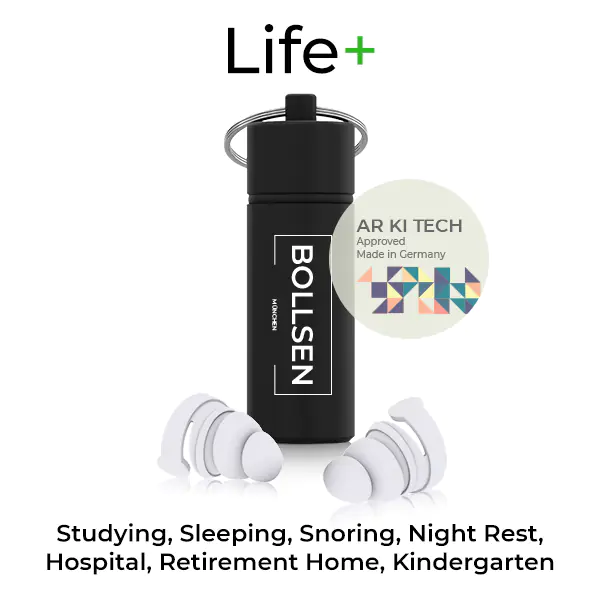
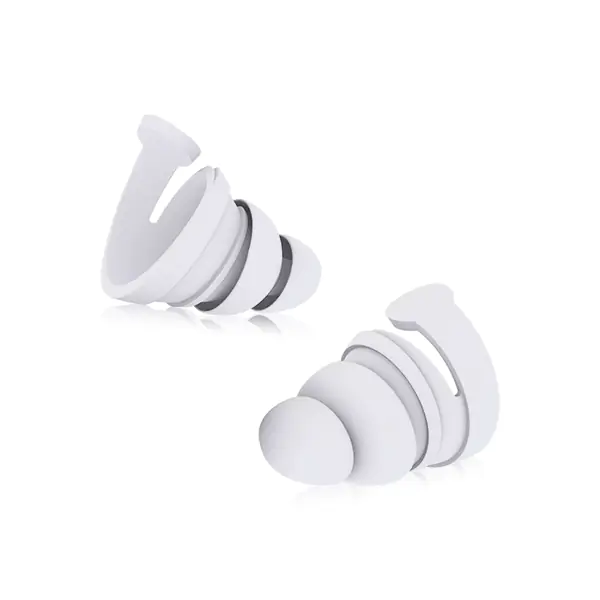
Disposable foam plugs cost around 20 to 50 pence a pair, but used every night they add up to roughly £70 to £180 over a year. A reusable pair such as Bollsen Life+ (rated 24 dB SNR) costs £29.95 and lasts up to 100 nights, about 27 pence per night with no repeat purchases, so it pays for itself within weeks.
Travelers often choose disposable plugs for convenience, while those sleeping next to a snoring partner prefer silicone or wax options for durability. In clinical or workplace settings, disposables suit hygienic settings, whereas reusables suit sustainability programmes.
Noise attenuation is measured through SNR or NRR values, which directly affect how much snoring or traffic is blocked. Disposable foam earplugs often show high SNR in quiet bedrooms, but the soft structure means fit consistency varies. Reusable silicone plugs are engineered for stable attenuation, which results in reliable performance night after night.
According to sleep research, **measuring sound levels during rest requires understanding Noise Reduction Ratings (NRR vs SNR) for Sleep Earplugs. Proper knowledge ensures that users select earplugs suited to their environment. Poor fit lowers protection, while proper insertion gives consistent attenuation.
The WHO Environmental Noise Guidelines recommend bedroom noise levels below 30 dB for undisturbed sleep, the attenuation target that both disposable and reusable earplug types must achieve, though their consistency in doing so differs significantly.
Disposable earplugs reduce risk of bacterial buildup because they are discarded after use. However, reusable earplugs require regular cleaning, which prevents infections if maintained correctly. Long term nightly use can cause mild discomfort or pressure points, but correct habits ensure safety.
Preventing ear infections is crucial when using silicone earplugs nightly. Experts emphasise how to insert and care for sleep earplugs to prevent ear infections, as incorrect use can cause irritation and infections.
Foam earplugs absorb skin oils after a single use and cannot be adequately cleaned. How to care for reusable sleep earplugs to prevent ear infections outlines the routine that keeps silicone options hygienic across hundreds of uses.
The Sleep Foundation guidance on earplugs for sleeping recommends reusable silicone earplugs as the preferred option for nightly sleep use, citing their cleanability, consistent fit, and reduced environmental impact compared to single-use foam alternatives.
Disposable foam plugs create plastic waste, and nightly use builds up a lot of it. In contrast, reusable silicone plugs create far less waste over time, and eco friendly models are manufactured from recycled materials. These differences support sustainability efforts and measurably cut your environmental footprint.
Daily pre-shift use compresses reusable earplugs far more frequently than standard replacement schedules assume. For earplugs for shift workers, reusable lifespan drops below rated SNR attenuation earlier than the nominal use-count suggests.
Disposable earplugs offer simplicity and hygiene, making them useful for travel or occasional use. Reusable earplugs provide comfort, eco value, and durability, making them the better choice for consistent nightly users. The final decision is driven by sleep environment, sensitivity to noise, and personal values.
For a broader perspective on choosing sleep solutions, see our earplugs for sleeping, which covers materials, ratings, and real user scenarios to support better decisions.
For buying advice, see our guide to choosing the best sleep earplugs.