
⏱️ Estimated reading time: 9 min

Key takeaways
Yes. Silicone swimming earplugs reduce how much water stays in your ear canal, which lowers the main cause of swimmer’s ear.
No. Regular foam earplugs are made for noise, not water. Silicone swim earplugs are the better choice.
No. Some water can still get in, especially with deep diving or fast movement, but earplugs still greatly reduce risk.
Yes, especially if they often get ear infections or swim many hours.
Yes, when they fit well and are cleaned after each use.
Yes. Earplugs help during swimming, and drying helps after swimming.
Using foam earplugs or cleaning too much inside the ear with cotton swabs.
Swimmer’s ear does not happen just because you swim a lot. It happens when water stays inside your ear canal for too long. The skin inside your ear gets soft, your natural earwax gets washed away, and germs can grow. This is why swimming earplugs are so helpful. When you use silicone swim earplugs the right way, they can greatly lower your chances of getting swimmer’s ear.
Instead of thinking of earplugs as something extra, it is better to think of them as basic ear protection, especially if you swim often in pools, lakes, or the ocean.What actually causes swimmer’s ear?
Swimmer’s ear starts when water gets stuck inside your ear after swimming or showering. That trapped water makes the skin inside your ear weak and washes away earwax. Earwax is important because it helps protect your ear from germs. When this happens again and again, your ear can get irritated and infected. This can cause pain, itching, swelling, and sometimes trouble hearing.Swimmer’s ear is different from a middle ear infection. Middle ear infections happen behind your eardrum and are often caused by colds. Swimmer’s ear happens in the outer ear canal and is caused by too much moisture. This shows why keeping water out of your ear is so important.Your risk is higher if your ear is already irritated, if you clean too hard with cotton swabs, if you spend many hours in the water, or if you swim in lakes or warm pools that may have more bacteria. Out of all these, water staying in your ear is the biggest problem that earplugs can stop.Do all earplugs protect against swimmer’s ear?
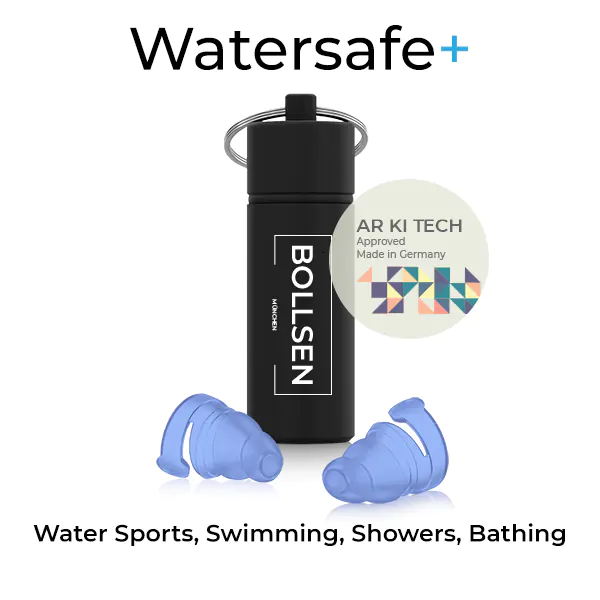
No, not all earplugs are good for swimming.Regular foam earplugs are made to block noise, not water. Foam soaks up water, gets soft, and often does not seal your ear well. Wet foam earplugs can even make your ear more irritated.Silicone swimming earplugs are different. They are made to keep water out. They sit gently at the opening of your ear instead of going deep inside. This makes them more comfortable and safer for your eardrum while still blocking water.Studies that test different earplugs show that soft silicone plugs work better than foam or hard plastic ones at keeping water out, especially when you are swimming near the surface in a pool. This is why silicone is the best choice for preventing swimmer’s ear.How exactly do swimming earplugs reduce risk?
Swimming earplugs (earplugs for water) help your ears in three main ways.First, they stop most of the water from getting inside your ear canal. By making a soft seal at the ear opening, they reduce the moisture that causes infections.Second, they help protect your natural earwax. Since less water gets in, less earwax gets washed away. Earwax helps keep your ear healthy and protects against germs.Third, they reduce irritation. Without earplugs, your ear skin gets wet again and again, which can make it sore. With earplugs, your ear stays more comfortable and balanced.No earplug can block every drop of water, especially if you dive deep or move very fast in the water. Still, for normal swimming, earplugs make a big difference for keeping your ears healthy.When do earplugs not help?
Earplugs are not safe for everyone in every situation.You should not use them if you already have an ear infection, if you have a hole in your eardrum, or if you have ear tubes unless your doctor says it is okay. In these cases, you should talk to a healthcare professional before swimming.Earplugs also work poorly if they are broken, dirty, or put in the wrong way. Washing them after every swim helps them last longer and keeps your ears cleaner.What does scientific research say about earplugs and water intrusion?
Scientists have tested many kinds of earplugs while people swim.They found that some water can still get in during very deep dives or when your head is tilted a lot. However, soft silicone earplugs always let in less water than other types. They work best for regular pool swimming, which is what most people do.Who benefits most from swimming earplugs?
Earplugs are especially helpful for children who often get ear infections, competitive swimmers who practice many hours, and people who swim in lakes, rivers, or warm water. They are also good for people with narrow or sensitive ear canals or anyone who often feels water stuck in their ears.If you only swim once in a while in a clean pool, you might not need earplugs every time. Still, it is smart to have them for longer swim sessions.So are earplugs good for preventing swimmer’s ear?
Yes, silicone earplugs that fit well and are used regularly are very effective at lowering the risk of swimmer’s ear.They work by stopping the main cause of the problem, water staying inside your ear. For many swimmers, earplugs make the difference between painful infections and comfortable swimming.The best protection comes from using good earplugs and drying your ears after swimming. It also helps to leave your natural earwax alone and avoid putting cotton swabs inside your ear.When used this way, earplugs make swimmer’s ear much easier to prevent.Final takeaway
Swimming earplugs are not just optional. They are a smart way to protect your ears. If you swim often or have had swimmer’s ear before, the real question is not whether to use earplugs, but which ones are best for you.



His connection to hearing protection stems from personal experience with sound sensitivity during live events and work in noisy environments, an issue that made him more aware of the long-term risks of unmanaged noise exposure. Today, as both a communicator and a user of BOLLSEN products, he is passionate about raising awareness around the importance of proactive hearing care.
At BOLLSEN, he develops data-driven marketing campaigns, writes SEO-focused articles, and manages communication channels that connect customers with practical knowledge about hearing protection. His work ensures that BOLLSEN’s message—prioritizing health, performance, and sustainability reaches a global audience in an engaging and trustworthy way.
Passionate about writing since childhood, Timotej combines creativity with a strong analytical approach, continuously testing new ideas in digital marketing, performance advertising, and social media. He believes in learning through innovation and collaboration, balancing leadership with openness to new perspectives.
Beyond his professional role, Timotej is committed to a healthy lifestyle and finds inspiration in fitness, sports, and quality time with friends. His personal passion for well-being aligns with BOLLSEN’s core values, making his work not only a career but also a cause he deeply believes in.
Comments are closed.