
⏱️ Estimated reading time: 10 min

Key Takeaways
Earplugs are better for noise reduction because they physically block or filter sound. Their effect is consistent and measured with SNR, while earbuds only reduce certain types of noise and mainly as a side effect of audio technology.
Noise‑cancelling earbuds can make environments feel quieter, but they are not designed as hearing protection. They are not measured with SNR and do not reliably reduce harmful sound levels in loud environments.
In most cases, no. Earplugs are more comfortable for long, passive use and provide steady noise reduction without sound playback, batteries, or pressure in the ear. This makes them better suited for sleep and deep focus.
Earbuds are the better option when you need to listen to music, take calls, or stay aware of your surroundings. They work well for commuting or travel, where communication matters more than maximum noise reduction.
Earplugs are safer for long‑term hearing health because they lower sound levels before they reach the ear. Earbuds, especially when used at higher volumes, can increase listening strain over time.
Choose earplugs when your goal is noise reduction and hearing protection. Choose earbuds when your goal is audio playback and convenience. The right choice depends on the situation, not just personal preference.
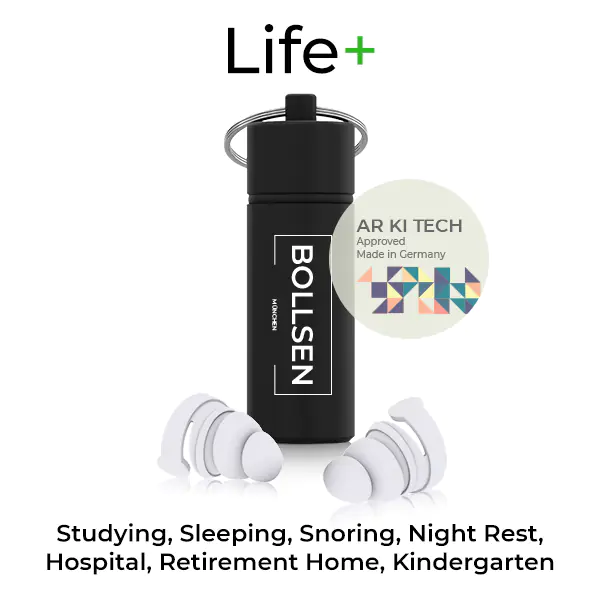
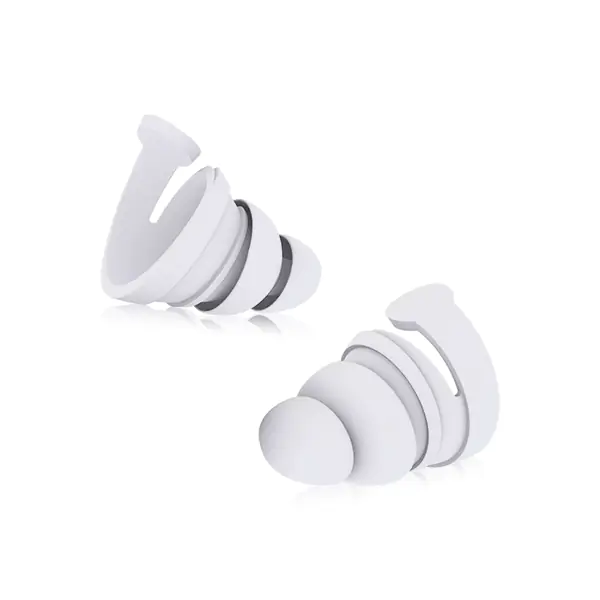
Earplugs and earbuds are built for opposite jobs: earplugs block sound to protect your hearing or help you sleep, while earbuds pipe sound in so you can listen to music or calls. Some earbuds add noise cancelling, but that is not the same as the physical seal a dedicated earplug gives. For sleeping or blocking a snoring partner, a soft reusable earplug like the Bollsen Life+ seals out noise far more reliably than earbuds, which are bulky to sleep on and were never meant to stay comfortable for eight hours.
What Are Earplugs and Earbuds, and How Do They Actually Work?
Earplugs and earbuds may look similar at first glance, but they work in completely different ways and are designed for very different purposes.
How Do Earplugs Reduce Noise?
Earplugs are made for noise reduction and hearing protection. Their main job is to reduce how much sound reaches the eardrum. They do this by sitting inside the ear canal and creating a physical barrier against incoming noise.
This reduction happens through passive sound attenuation, where materials like foam or silicone absorb and block sound waves. Some earplugs use acoustic filters, which lower the overall volume but keep sounds clearer and more balanced. Because earplugs are built specifically for this purpose, their effectiveness is measured with a Single Number Rating (SNR).
This makes earplugs a common choice for sleeping, working in noisy environments, attending concerts, or managing noise sensitivity, where consistent and reliable noise reduction matters more than audio playback.
How Do Earbuds Handle Noise?
Earbuds are designed mainly for playing sound, such as music, calls, or podcasts. Their primary goal is to deliver audio clearly and comfortably, not to protect hearing.
Some modern earbuds include active noise cancelling (ANC). This technology uses microphones to detect background noise and creates opposite sound waves to reduce it. ANC works best with steady, low-frequency sounds like traffic or engine noise, but it does not block sound in a physical way.
Because earbuds are not built to seal or filter the ear canal, they are not measured with SNR and are not classified as hearing protection. They can make environments feel quieter, but their noise reduction is situational and depends on electronics, battery power, and fit.
According to the Sleep Foundation research on noise and sleep, noise is one of the most common sleep disruptors, with approximately 60% of adults reporting that it affects their sleep quality at least some of the time.Are Earplugs or Earbuds Better for Noise Reduction and Hearing Protection?
Choosing between earplugs and earbuds often comes down to what kind of noise you are dealing with and how much protection you actually need.
Which Option Reduces More Noise Overall?
Earplugs generally provide stronger and more reliable noise reduction because they physically block or filter sound. Their performance is consistent and measurable through SNR, which makes them suitable for loud or unpredictable environments.
Earbuds can reduce some background noise, especially when using ANC, but this reduction is limited. They work best for constant, low-frequency sounds and are less effective against sudden or high-pitched noise.
Which One Is Safer for Your Hearing?
Earplugs are designed with hearing safety as their main purpose. By reducing sound levels before they reach the eardrum, they help lower the risk of long-term hearing damage in loud or noisy environments. Because their effect is predictable and measured with SNR, users know roughly how much protection they are getting.
Earbuds are not built primarily for hearing protection. Even with ANC, they do not consistently reduce harmful sound levels, and they rely on electronics and battery power to work. In some situations, earbuds can even lead to higher listening volumes to overcome remaining noise, which may increase strain on the ears over time. When hearing protection is the priority, earplugs are the safer and more reliable option.
Nightly earplug use creates sustained canal occlusion that affects earwax migration and local moisture. Whether sleeping with earplugs nightly is safe for long-term ear health outlines what to monitor and the hygiene practices that keep those risks negligible.
The RNID guide to noise-induced hearing loss notes that correct acoustic seal is the most important factor in effective noise attenuation, a property that distinguishes passive earplugs, which seal the ear canal, from earbuds, which are not designed to create an acoustic seal.
Passive earplugs seal the canal directly, achieving 24-35 dB SNR without battery drain. Sleep-rated earplug attenuation by material and profile covers which designs hold seal integrity through the night. Best earplugs for side sleeping positions and comfort without pillow pressure narrows this to the profile specifications relevant to side sleepers. The best earplugs for sleeping by SNR and material comparison provides the full basis for a purchase decision.When Should You Choose Earplugs Instead of Earbuds (and Vice Versa)?
The better choice depends less on preference and more on context. Earplugs and earbuds are suited to different situations, and using the wrong one can lead to discomfort or insufficient noise control.
When Earplugs Are the Better Choice
Earplugs are ideal when the goal is to reduce environmental noise consistently. They work well for sleeping, studying, working in noisy environments, attending concerts, or managing noise sensitivity. Because they do not rely on batteries or electronics, their performance stays the same over time and across situations.
In environments with unpredictable or sudden noise, earplugs offer more dependable protection and less listening fatigue.
When Earbuds Make More Sense
Earbuds are a better option when you need to listen to audio or communicate while still reducing some background noise. They are useful for calls, commuting, or travel, where awareness and audio playback matter more than full noise reduction.
While earbuds can make noisy environments feel quieter, they are best seen as a convenience tool rather than a replacement for dedicated hearing protection.
Browse our full resource on earplugs for sleeping.
Our dedicated guide to the best earplugs for side sleepers goes deeper.
For buying advice, see our guide to the best sleep earplugs.
The Sleep Foundation review of earplugs for sleeping confirms that passive earplugs remain the most effective single tool for reducing noise during sleep, particularly for partners of snorers or light sleepers in noisy urban environments.


Frequently Asked Questions
What is the difference between earplugs and earbuds?
Earplugs are passive plugs that seal the ear to block noise. Earbuds are miniature speakers that play audio into your ear. One keeps sound out, the other lets sound in.
Are earplugs or earbuds better for sleeping?
Earplugs. They are smaller, softer, have no wires or battery, and are made to stay comfortable all night, which makes them far better for blocking a snoring partner or street noise than earbuds.
Are earplugs or earbuds better for noise reduction?
For pure noise blocking, a well-sealed earplug usually beats earbuds, even ones with active noise cancelling, because a physical seal handles the sudden and low-frequency sounds that electronics struggle with.
Can you use earbuds as earplugs?
Not really. Switched-off earbuds block very little sound because they are not designed to seal the canal. If your goal is silence rather than audio, a proper earplug is the right tool.

His connection to hearing protection stems from personal experience with sound sensitivity during live events and work in noisy environments, an issue that made him more aware of the long-term risks of unmanaged noise exposure. Today, as both a communicator and a user of BOLLSEN products, he is passionate about raising awareness around the importance of proactive hearing care.
At BOLLSEN, he develops data-driven marketing campaigns, writes SEO-focused articles, and manages communication channels that connect customers with practical knowledge about hearing protection. His work ensures that BOLLSEN’s message—prioritizing health, performance, and sustainability reaches a global audience in an engaging and trustworthy way.
Passionate about writing since childhood, Timotej combines creativity with a strong analytical approach, continuously testing new ideas in digital marketing, performance advertising, and social media. He believes in learning through innovation and collaboration, balancing leadership with openness to new perspectives.
Beyond his professional role, Timotej is committed to a healthy lifestyle and finds inspiration in fitness, sports, and quality time with friends. His personal passion for well-being aligns with BOLLSEN’s core values, making his work not only a career but also a cause he deeply believes in.