
⏱️ Estimated reading time: 7 min

Key Takeaways
Swimming is a delightful and beneficial activity that many of us enjoy. However, for individuals with grommets, also known as ear tubes, swimming can present unique challenges. These small tubes are surgically inserted into the ear to help prevent infections and improve hearing, but they can require special care when it comes to water activities. This article will guide you through everything you need to know about grommets and swimming.
Grommets are tiny tubes that are placed in the eardrum during a minor surgical procedure. They are commonly used to treat chronic ear infections or fluid build-up in the middle ear, especially in children. By allowing air to enter the middle ear, grommets help balance pressure and prevent fluid accumulation.
Can You Swim with Grommets?
One of the first questions parents and individuals have after grommet surgery is, “Can you swim with grommets?” The short answer is yes, but with some precautions. It’s important to protect the ears from water to prevent infections and ensure the grommets function properly.
Swimming Ear Protection
When swimming with grommets, ear protection is essential. Here are some effective options to consider:
Earplugs, grommets and swimming
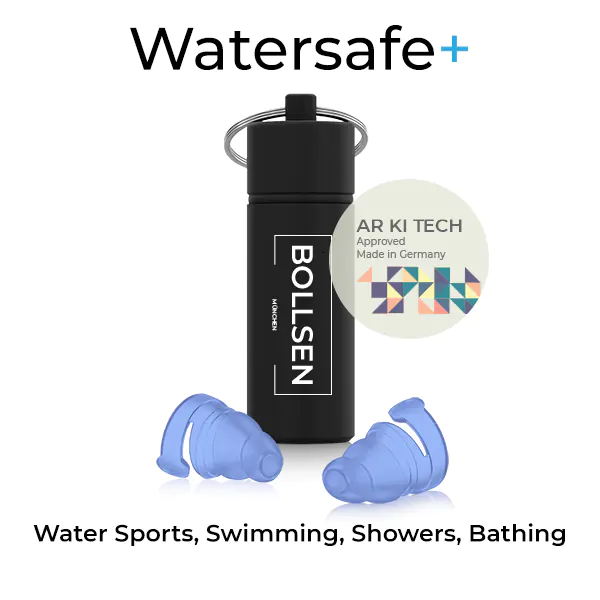
Earplugs are a popular choice for protecting the ears while swimming. They come in various shapes and sizes, making it easy to find a comfortable fit. Silicone earplugs, like Watersafe+ and Kidz+ are particularly effective because they mold to the shape of the ear, creating a watertight seal.
How to Use Earplugs
- Choose the Right Size: Ensure that the earplugs fit snugly in the ear.
- Insert Properly: Gently pull the top of your ear upward and outward, then insert the earplug.
- Test the Seal: Move your head side to side; if the plugs stay in place, they are secure.
Swimming Headbands
Swimming headbands can be used in conjunction with earplugs for added protection. These headbands wrap around the head and cover the ears, helping to keep earplugs in place and further prevent water from entering the ear canal.
Custom-Fit Ear Molds
For those who swim frequently, custom-fit ear molds are an excellent investment. These are made by taking an impression of the ear to create a mold that fits perfectly, offering superior protection compared to standard earplugs.


Tips for Safe Swimming with Grommets
Consult Your Doctor
Before hitting the pool, consult your healthcare provider to get personalized advice. They can provide guidance based on the individual’s specific medical history and needs.
Start Slow
If you or your child have recently had grommet surgery, start with short swimming sessions. Gradually increase the time spent in the water as you become more comfortable and confident with the ear protection measures.
Keep Ears Dry Post-Swim
After swimming, ensure that the ears are thoroughly dried. Use a towel to gently pat the outer ear, and if necessary, use a hairdryer on a low setting to ensure no moisture remains in the ear canal.
Avoid Diving and Deep Water Activities
Diving or swimming in deep waters can increase the pressure on the ears and potentially dislodge the grommets. Stick to shallow water activities to minimize risks.
Recognizing Signs of Infection
Even with precautions, it’s essential to recognize the signs of an ear infection. Symptoms can include:
- Pain or discomfort in the ear
- Drainage from the ear
- Difficulty hearing
- Fever
If any of these symptoms occur, contact your healthcare provider promptly for evaluation and treatment.
Conclusion
Swimming with grommets doesn’t have to be a daunting experience. With the right precautions and protective gear, you can enjoy water activities safely. Always prioritize ear protection and consult with healthcare professionals when in doubt. By following these guidelines, you can ensure that swimming remains a fun and beneficial activity for everyone involved.
Remember, the key to a safe swimming experience with grommets is preparation and protection. Embrace the water, but do so wisely, to maintain healthy ears and peace of mind.

His connection to hearing protection stems from personal experience with sound sensitivity during live events and work in noisy environments, an issue that made him more aware of the long-term risks of unmanaged noise exposure. Today, as both a communicator and a user of BOLLSEN products, he is passionate about raising awareness around the importance of proactive hearing care.
At BOLLSEN, he develops data-driven marketing campaigns, writes SEO-focused articles, and manages communication channels that connect customers with practical knowledge about hearing protection. His work ensures that BOLLSEN’s message—prioritizing health, performance, and sustainability reaches a global audience in an engaging and trustworthy way.
Passionate about writing since childhood, Timotej combines creativity with a strong analytical approach, continuously testing new ideas in digital marketing, performance advertising, and social media. He believes in learning through innovation and collaboration, balancing leadership with openness to new perspectives.
Beyond his professional role, Timotej is committed to a healthy lifestyle and finds inspiration in fitness, sports, and quality time with friends. His personal passion for well-being aligns with BOLLSEN’s core values, making his work not only a career but also a cause he deeply believes in.
Comments are closed.