⏱️ Estimated reading time: 17 min
Summarize with AI

⏱️ Estimated reading time: 17 min
Noise also triggers micro-arousals, interrupting stage transitions between NREM and REM. These disturbances are brief and often unnoticed but accumulate across the night. They reduce the time spent in restorative phases and cause shortened REM cycles, which limits the body’s ability to support emotional processing and learning. Studies have also found that noise leads to lighter sleep across the night, making it harder to enter or maintain slow-wave stages. Over time, this pattern increases autonomic nervous system activity, which keeps the body in a more alert state, even during sleep.
Inconsistent sleep from noise exposure repeatedly restarts the sleep cycle, which reduce overall sleep efficiency. Research shows that regular disruptions from external sound can raise cortisol levels, interfere with heart rate regulation, and contribute to daytime tiredness. These effects compound over time and may influence overall well-being. This article outlines how different types of sound affect sleep quality based on findings from acoustic science, sleep physiology, and behavioral research. It also explains specific ways to manage environmental noise during rest to support more stable and uninterrupted sleep patterns.
Noise during sleep does not always cause full awakenings. More often, it simply keeps your sleep shallow, shifting the body into stages where recovery processes are less active. These interruptions fragment sleep cycles, which normally progress in a predictable pattern from light sleep to deep sleep, then into REM. When this pattern is broken repeatedly, overall sleep efficiency decreases, and the body spends more time in early-stage sleep without reaching full restoration.
Environmental sounds can trigger these brief awakenings, especially when they occur during transitions between sleep stages. These brief surges in alertness reset the body’s rhythm and reduce time spent in the most beneficial stages. Studies using EEG have shown that even subtle noise fluctuations can interfere with sleep cycle consolidation, leading to repeated interruptions of deep sleep or REM.
Long-term exposure to noise during sleep has cumulative effects. It keeps the body’s stress response switched on, which is responsible for regulating heart rate, stress hormones, and respiratory rhythm. Nighttime sound exposure keeps this system activated longer than normal, reducing the brain’s ability to maintain a relaxed state during rest. This chronic activation has been observed to influence physical and mental functioning beyond sleep alone.
According to current research, chronic exposure to environmental sound is forces the sleep cycle to restart again and again, particularly in urban settings or near traffic corridors. Each time the brain is forced to restart its progression through NREM and REM phases, sleep becomes more fragmented, less restorative, and more likely to result in morning fatigue.
Studies also show that prolonged interruptions during sleep are associated with cardiovascular strain, metabolic changes, and reduced cognitive performance. Measuring the physiological effects of chronic nighttime sound exposure brings attention to noise pollution’s health consequences, such as elevated blood pressure, impaired memory consolidation, and mood disturbances, which appear even when individuals are not fully aware of being disturbed during the night.
People often select earplugs based on how they feel during the night. Devices that include multiple tip sizes for a better fit are generally more comfortable across a wider range of ear canal shapes. When earplugs do not seal properly, they lose much of their ability to block noise, especially in lower frequencies.
Most foam and silicone earplugs are shaped for minimal pressure when lying on your side, allowing them to stay in place without causing discomfort. A flattened outer layer prevents the earplug from pushing deeper into the canal during body movement. This design choice is especially important for those who sleep on one side for extended periods.
Some designs are tailored for use in residential environments where the dominant sounds are muffled conversations, HVAC systems, or distant vehicles. Others are tuned to block frequencies common in traffic and snoring, which tend to fall within the low to mid-range spectrum.
Understanding the match between earplug structure and typical bedroom sound levels is central to selecting the right solution. According to acoustic tests, choosing the right earplug for your sleep style is based on whether the primary concern is consistent low-frequency hum, intermittent bursts of sound, or side-sleeping pressure discomfort.
This decision helps prevent performance loss and makes it more likely that the earplug will stay in place overnight.
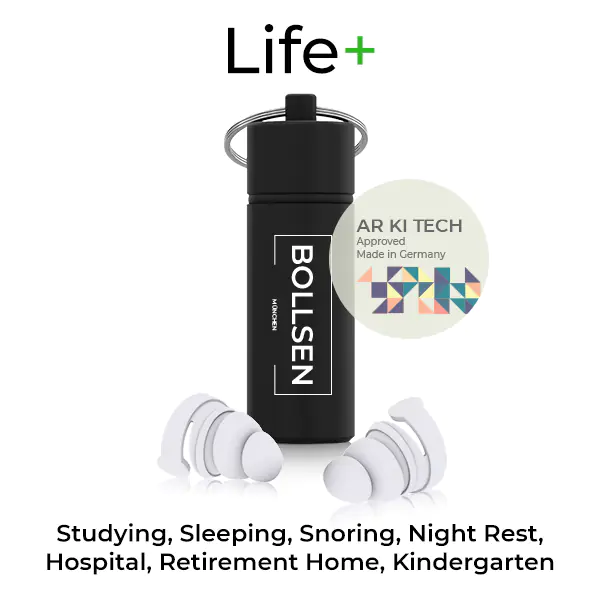
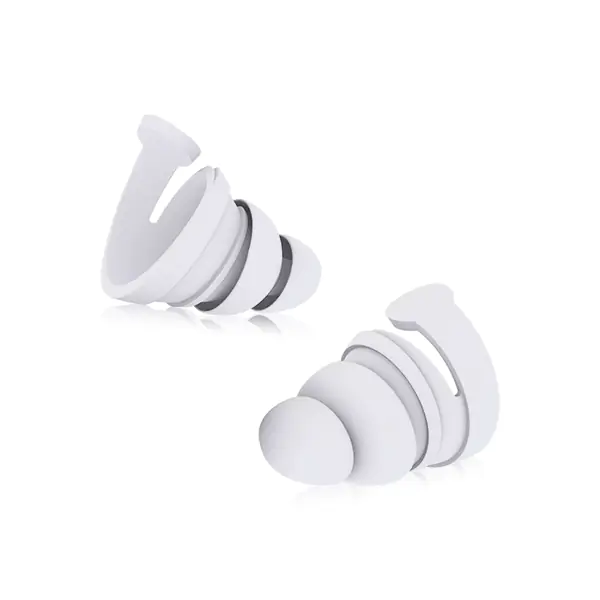
Each model has limitations based on fit, insertion depth, and material density. Foam types generally expand to fill the ear canal, while silicone models rely on flexible pressure. Neither type is universally better, but matching the design to your sleeping position and noise type gives better rest with fewer interruptions. For nightly use, Bollsen Life+ (rated 24 dB SNR, soft medical-grade silicone, reusable up to 100 times, £29.95) has a low-profile shape that stays comfortable through the night, even for side sleepers.
Not all earplugs suit every sleeper. Body position, sound environment, and ear canal shape influence how effective and comfortable a particular model will be. People who sleep on their sides often experience pressure discomfort when the earplug presses against the pillow. In these cases, earplugs that are shaped for minimal pressure when lying on your side help reduce friction and allow for uninterrupted rest.
Back sleepers usually face fewer mechanical issues, so they have more flexibility in choosing materials and shapes. However, if snoring is the main issue, either from a partner or from one’s own breathing, then models that block frequencies common in traffic and snoring are more appropriate. These typically have thicker foam or denser silicone to reduce low-pitch vibrations.
For sleepers who turn often, a secure but non-irritating fit becomes essential. Products that include multiple tip sizes for a better fit allow users to select the right diameter for their ear canal, which prevents the earplug from loosening or falling out during position changes. Sleepers in urban environments may encounter a combination of constant background noise and intermittent high-volume events. In these cases, the earplug must stay sealed throughout the night without causing irritation. This balance between fit and sound attenuation is often the deciding factor in long-term usability. Before selecting a model, users should consider whether the earplug will stay stable during their usual sleep movements and whether it blocks the specific type of noise they are most exposed to. Choosing based on personal sleep habits, not just packaging claims, improves both comfort and performance.
Our guide to how SNR ratings work for sleep earplugs explains the numbers in detail.
Pillow contact reduces the effective seal in foam earplugs by compressing protruding flanges throughout the night. Best earplugs for side sleepers under pillow pressure depend on profile height and material softness as much as on rated SNR.
The WHO Environmental Noise Guidelines recommend indoor bedroom noise levels below 30 dB for undisturbed sleep, the threshold that informs the SNR rating required when selecting earplugs for a specific ambient noise environment.
Sleep experts often compare continuous sound types to color categories based on how frequencies are distributed across the audible range.
Which noise color helps you sleep better, depends on the kind of environmental sound you’re exposed to and your comfort with certain frequencies. Selecting the right one can reduce delays in falling asleep and support uninterrupted rest throughout the night.
White noise masks sudden environmental sounds by covering a wide range of frequencies at equal intensity. This can help block out sharp disruptions such as slamming doors or traffic. The examples of white noise are TV or radio static, the constant hum of a fan, hair dryer, etc. However, the even spread of high-frequency content may feel harsh for people who are sensitive to sound brightness.
Pink noise reduces sleep onset time, especially in environments with variable background activity. It places more intensity in lower frequencies, creating a softer and more stable listening experience. Pink noises include sounds like steady rainfall, wind, rustling leaves and other sounds connected to nature. Research shows it may support better memory formation and deeper sleep by modulating brain wave activity during NREM stages.
Brown noise emphasizes low tones, useful for certain sensitivities such as tinnitus or discomfort with sharp sound. This type produces a heavier and more muffled texture that can be soothing for those who find high-pitched tones overstimulating. Differences in effectiveness often come down to personal reaction to frequency intensity and the specific type of disruption being masked. A person living near a train line may benefit from the smoothing effect of pink or brown noise, while someone disturbed by random sharp noises might choose white noise instead. Playback method also matters. Many apps and sound machines allow adjustment of tone and volume. The goal is to create an auditory background that remains stable and predictable without interfering with deeper sleep stages. Matching the sound type to both environment and personal comfort increases the chance of uninterrupted rest.

Acoustic researchers recommend keeping sleep sounds under 50 decibels. This level is roughly equivalent to a quiet conversation or the hum of a refrigerator. At this intensity, the noise is audible enough to mask sudden environmental sounds without over-stimulating the auditory system.
If playback is too loud, it can lead to a heightened fight-or-flight response, especially during transitions between NREM and REM stages. This can reduce overall sleep quality by preventing the body from entering or remaining in deep, restorative phases. Even when the person does not fully wake up, loud noise may limit slow-wave sleep and increase morning fatigue. Modern sound machines and mobile apps often allow users to set both frequency and volume. Some even include automatic fading or adaptive adjustment based on ambient noise. Regardless of the technology, consistency and moderation are key. The noise should remain at a fixed volume throughout the night without sudden spikes or drops. Testing volume in a quiet room before bed can help determine the minimum effective level. The goal is to create a steady auditory environment that helps prevent stage shifts caused by outside noise, without adding artificial stimulation that affects sleep architecture.
Many people use external devices or apps to play sound during sleep, but not all tools work the same way. Track your sleep with modern tech by choosing a tool that plays consistent audio and also monitors how you sleep over time. This combination helps identify patterns between noise type, volume, and sleep disruptions.
Pink noise reduces sleep onset time, and devices that can loop this sound at low volumes tend to work best. Some apps and machines also allow mixing different frequencies or controlling fade-in and fade-out to reduce the chance of stage shifts. However, not all platforms offer the same level of control, and some free apps may introduce advertising noise or uneven playback.
White noise masks sudden environmental sounds, which makes it suitable for city dwellers or light sleepers. Standalone machines often produce more consistent playback than smartphones, but they lack portability. On the other hand, mobile apps give users more flexibility with customization and are easier to use during travel or unexpected overnight stays.
Brown noise emphasizes low tones, which can be helpful for people sensitive to sharp sounds. Some machines are designed specifically for this frequency range, but not all phones can reproduce deeper audio profiles accurately without external speakers or headphones. Data tracking features, such as motion detection or audio monitoring, are only available in certain apps. These tools can reveal how often noise causes disturbances during the night, helping users adjust volume, timing, or sound type to reduce interruptions. In some cases, external sensors may be needed for more precise sleep tracking.
The 30 dB WHO bedroom threshold sufficient for most sleepers still produces fragmentation in people with heightened auditory sensitivity. Noise sensitivity sleep and disruption occurs at exposure levels well below what standard sleepers register as intrusive.
The Sleep Foundation research on noise and sleep quality found that approximately 60% of adults report noise affecting their sleep at least some of the time, and that consistent background sound can reduce the impact of sudden noise intrusions on sleep continuity.
Are earplugs safe to use every night?
Yes, when properly inserted and cleaned regularly, earplugs are generally safe for nightly use.