
⏱️ Estimated reading time: 13 min

To get water out of your ear, tilt your head to the affected side and gently tug your earlobe to open the canal, then try one of these quick methods:
- Tilt and tug: tilt your head with the blocked ear facing down and gently pull the earlobe to straighten the ear canal.
- Wiggle and yawn: move your jaw by chewing or yawning, or wiggle the earlobe, to shake the water loose.
- Lie on your side: rest with the affected ear down for a few minutes and let gravity drain it.
- Vacuum with your palm: cup your hand tightly over the ear, press and release a few times, then tilt the ear down.
- Valsalva: pinch your nose, close your mouth, and blow gently to open the tubes.
- Warm compress: hold a warm, damp cloth against the ear for about 30 seconds.
- Blow dryer: on the lowest heat and speed, held about a foot away, to evaporate the moisture.
- Drying drops: a few over-the-counter drops, or a 1:1 rubbing alcohol and white vinegar mix, but only if your eardrum is intact.
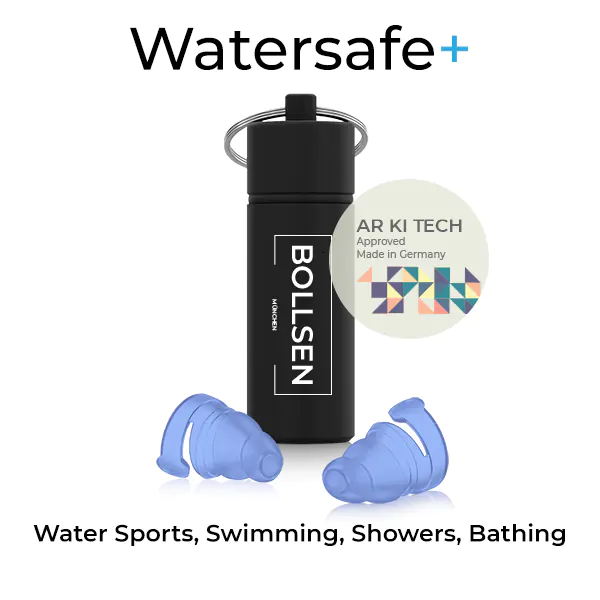
If water keeps getting trapped, prevention is the real fix: Watersafe+ earplugs seal the canal so water never gets in while swimming or showering.
Water in the ear can be a common annoyance, especially after swimming or taking a shower. This issue is more than just an inconvenience; it can cause discomfort, a clogged feeling, and sometimes even lead to infections if not addressed promptly. Understanding how to get water out of ear safely and effectively is essential to prevent complications like swimmer’s ear, which can lead to more severe health issues if neglected.
Ensuring that your ears are free from excess moisture is crucial, especially for those who frequently engage in water activities. While the sensation might seem trivial, the risk of infection and the potential impact on your hearing make it essential to address the issue immediately. Learning the right techniques to remove water from your ears can help maintain your ear health and prevent unnecessary visits to the doctor.
The ear canal is shaped in a way that can occasionally trap water, particularly if there’s a buildup of earwax. Earwax can create barriers that make it difficult for water to escape naturally. Water can get stuck due to the natural curves and small spaces in the ear canal. This condition often occurs after activities such as swimming or showering, hence the term “swimmer’s ear,” which describes the environment conducive to bacterial growth.
The problem can be exacerbated by factors such as narrow ear canals or excessive earwax production. Additionally, individuals with skin conditions like eczema are more prone to experiencing water retention in the ear. Understanding these factors can help in adopting preventative measures, such as regular ear cleaning or using protective gear during water activities, to minimize the risk of water being trapped.
Can Swimming Cause an Ear Infection?
Swimming can indeed lead to ear infections if water remains trapped inside the ear for too long. When water sits in the ear canal, it creates a moist environment ideal for bacteria to grow, potentially leading to infections such as otitis externa, commonly known as swimmer’s ear. This condition can cause symptoms ranging from mild discomfort to severe pain and even temporary hearing loss.
The risk of infection is heightened in public swimming areas where water may contain higher levels of bacteria. Chlorinated pools, while cleaner, can still pose a threat if water gets trapped in the ear. It is crucial for frequent swimmers to be aware of the signs of infection and to take preventative measures, such as drying ears thoroughly and using Watersafe+ earplugs.
Symptoms of Water in the Ear
Before diving into remedies, it’s crucial to recognize the symptoms of water trapped in your ear:
- A tickling sensation inside the ear canal
- A feeling of fullness in the ear
- Muffled hearing
- Ear pain or discomfort
These symptoms can vary in intensity, but they are generally noticeable and can significantly impact your daily activities. If you experience these symptoms, it’s time to consider ways to remove the water. Recognizing the early signs can prevent the development of more serious conditions, such as infections or damage to the ear canal.
Ignoring these symptoms might lead to more severe discomfort and potential complications. For instance, prolonged water retention can alter the ear’s natural environment, encouraging bacterial growth and inflammation. Therefore, prompt action is necessary to alleviate discomfort and prevent further issues.
How To Get Water Out Of Ear: Safe Methods
Here are several tried-and-true methods for removing water from your ear safely:
Gravity and Tilting
One of the simplest methods to get rid of water in your ear is by using gravity.
- Tilt your head to the side with the affected ear facing down.
- Gently tug on your earlobe to open up the ear canal.
- Jumping up and down on one foot might also help shake the water loose.
This method uses the natural force of gravity to encourage water to drain out. By tilting your head and creating a straight path, you allow the water to flow out more easily. This technique is often effective and can be done anywhere without the need for special tools or substances.
The Valsalva Maneuver
The Valsalva Maneuver can help equalize pressure and allow water to drain from the ear.
- Pinch your nose closed.
- Close your mouth and gently blow through your nose.
- Be careful not to blow too hard, as this can damage your eardrum.
This maneuver works by opening the Eustachian tubes, which can help release trapped water. It’s a technique often used by divers and pilots to equalize ear pressure. Practicing this maneuver can not only help with water removal but also improve your ability to handle pressure changes in various environments.
Using a Hair Dryer
A hair dryer can effectively dry the moisture in your ear.
- Set your hair dryer to the lowest setting.
- Hold it about a foot away from your ear.
- Move the dryer back and forth, allowing the warm air to flow into your ear.
The warm air helps evaporate the trapped water, making this method particularly useful after a swim or shower. Ensure the setting is low to avoid burns or damage to the delicate ear structures. This technique provides a controlled way to dry out the ear canal, reducing the risk of infection.
Use of Ear Drops
Over-the-counter ear drops designed to dry out excess moisture can be beneficial. Look for alcohol-based drops that can help evaporate trapped water.
These drops work by breaking the surface tension of the water, allowing it to drain more easily. They also help in maintaining a dry environment, which is less hospitable to bacteria. Using ear drops is a quick and efficient method, especially if you’re prone to frequent water exposure.
Chewing and Yawning
Movements like chewing or yawning can help open the Eustachian tubes, which might help water drain from the ear.
These actions can create movement in the ear canal, encouraging the natural drainage of water. While not as direct as other methods, they provide a gentle way to facilitate ear clearing. This technique can be particularly helpful during situations where other methods aren’t feasible, such as in public or without access to tools.
What Not to Do
When trying to clear water from your ear, avoid these unsafe practices:
- Inserting Foreign Objects: Never use cotton swabs, fingers, or any other objects to dig out water. This can push water further in and damage the ear canal or eardrum.
- Excessive Force: Avoid using excessive force when trying to blow out water, as this can lead to ear damage.
These actions can cause more harm than good, potentially leading to infections or permanent damage. It’s crucial to approach ear care with caution and to use safe, recommended methods. Missteps in attempting to remove water can lead to exacerbated symptoms and increase the risk of complications.
When to Seek Medical Attention
If water remains trapped in your ear for several days or if you experience pain, reduced hearing, or discharge, consult a healthcare professional. These can be signs of an infection or other complications that may require medical intervention. Early intervention can prevent more serious conditions and ensure your ear health is maintained.
How Long Does Water Stay in Your Ear?
Water typically drains out naturally within a few hours. However, if it remains for more than 24 to 48 hours, it could lead to an infection. Persistent symptoms warrant a closer examination by a healthcare provider to rule out underlying issues.
Ignoring prolonged symptoms can lead to more severe health consequences, such as chronic ear infections or hearing loss. Therefore, understanding when to seek medical help is essential in preventing long-term damage.
Preventive Measures
To reduce the risk of water getting trapped in your ears:
- Use Earplugs or a Swim Cap: When swimming, wearing earplugs or a swim cap can help prevent water from entering your ears.
- Keep Your Ears Dry: After swimming or showering, dry your ears with a towel or tilt your head to help water escape.
- Regular Ear Cleaning: Regularly clean your ears to prevent wax buildup, which can trap water.
Taking proactive steps can significantly reduce the likelihood of experiencing water-related ear issues. By incorporating these practices into your routine, you can enjoy water activities without the worry of trapped water. Prevention is always better than cure, and maintaining ear health should be a priority for everyone.


Conclusion
Water trapped in the ear is a common issue that can lead to discomfort or infections if left untreated. Using safe and effective techniques like gravity, the Valsalva maneuver, or ear drops can help relieve the problem. Remember to avoid inserting objects into your ear and seek medical attention if symptoms persist. With proper care and preventive measures, you can keep your ears dry and healthy, ensuring they function optimally for years to come. By being informed and prepared, you can protect your hearing and enjoy a life free from ear-related discomforts.
https://www.youtube.com/watch?v=yeKYdA-Wi34Frequently Asked Questions
If the water does not come out within 24–48 hours, or if you start experiencing pain, hearing loss, ringing, or signs of infection (like redness or discharge), you should see a doctor. Prolonged moisture can lead to an outer ear infection (swimmer’s ear), so it’s best not to wait too long.
- Tilting your head and pulling on the earlobe to let gravity help.
- Lying on your side so water can slowly drain out.
- Chewing gum or yawning to open the Eustachian tubes.
- Using over-the-counter drying ear drops or a hair dryer on the lowest, coolest setting at a safe distance.

His connection to hearing protection stems from personal experience with sound sensitivity during live events and work in noisy environments, an issue that made him more aware of the long-term risks of unmanaged noise exposure. Today, as both a communicator and a user of BOLLSEN products, he is passionate about raising awareness around the importance of proactive hearing care.
At BOLLSEN, he develops data-driven marketing campaigns, writes SEO-focused articles, and manages communication channels that connect customers with practical knowledge about hearing protection. His work ensures that BOLLSEN’s message—prioritizing health, performance, and sustainability reaches a global audience in an engaging and trustworthy way.
Passionate about writing since childhood, Timotej combines creativity with a strong analytical approach, continuously testing new ideas in digital marketing, performance advertising, and social media. He believes in learning through innovation and collaboration, balancing leadership with openness to new perspectives.
Beyond his professional role, Timotej is committed to a healthy lifestyle and finds inspiration in fitness, sports, and quality time with friends. His personal passion for well-being aligns with BOLLSEN’s core values, making his work not only a career but also a cause he deeply believes in.
Comments are closed.