
⏱️ Estimated reading time: 10 min

Key Takeaways
Yes, for most people sleeping with earplugs every night is safe. Earplugs do not damage your ears or your hearing when they are clean, correctly sized, and inserted gently. The realistic risks are earwax buildup and, less often, mild irritation or an ear infection, and each one is avoidable with basic hygiene and the right fit. Below is what the science says, when earplugs can actually cause problems, and how to use them safely night after night.
What Sleep Benefits Do Nightly Earplugs Offer?
Earplugs for sleeping do more than just block noise they help you get better sleep and feel more rested. When you wear earplugs at night, they keep out sounds like traffic, snoring, or loud TVs, so your body can stay in deep sleep longer and wake up feeling refreshed.
Good foam, silicone, or custom-made earplugs can lower noise levels a lot, making your room quiet and calm. This helps your brain relax and get ready for sleep. A survey from YouGov showed that approximately 15% of people in the UK use earplugs, which means they have less stress, clearer thinking, and more energy the next day. If you keep your earplugs clean and use them the right way, they can be a safe and easy way to sleep better every night.
The Sleep Foundation review of earplugs for sleeping cites clinical evidence that hospital patients who wore earplugs during sleep woke up less frequently, experienced more deep sleep, and reported higher overall sleep quality compared to control groups.Can Earplugs Damage Your Ears?
No, earplugs do not damage the ear canal or eardrum on their own. Problems only appear from misuse: pushing a plug in too far, wearing dirty or hardened plugs, or leaving an ill-fitting plug in for long stretches. Used correctly, they are as safe for your ears as they are for your sleep.
The three genuine risks are worth knowing. Inserting a plug too deep can press earwax further in instead of letting it clear naturally, which leads to blockage or temporary muffled hearing. A firm or badly sized plug can irritate the delicate skin of the canal over time. And a plug that is never cleaned can carry bacteria back into a warm, sealed ear. None of these come from the earplug itself, they come from how it is used.
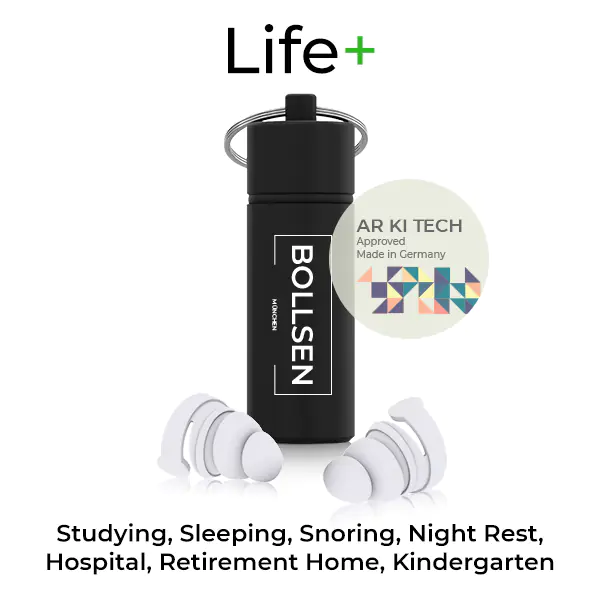
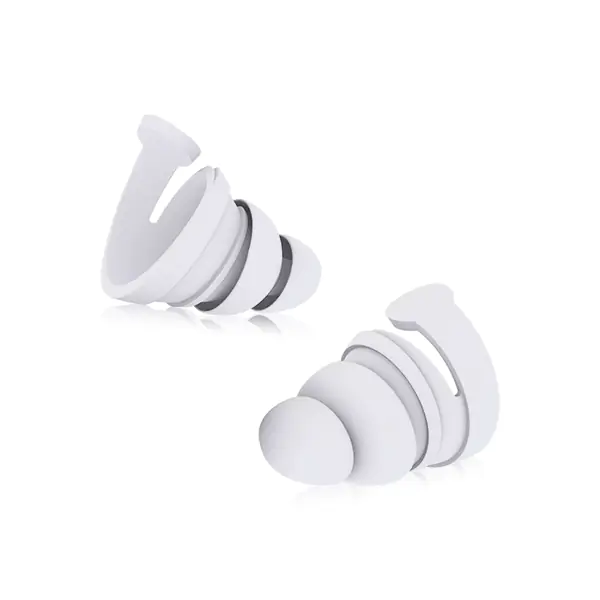
The simplest way to remove the risk is a soft, correctly sized, reusable plug that seals at the ear opening rather than deep in the canal. The Bollsen Life+ is built for exactly this: a 24 dB SNR rating, soft medical-grade silicone that will not harden against the canal, and a reusable design good for up to 100 nights at £29.95, so you are not sleeping on a wax-clogged foam plug night after night.
Can Wearing Earplugs Every Night Cause Earwax Buildup or Infections?
Earplugs are absolutely safe to use every night if used properly, however without proper cleaning or ear care they might lead to problems like earwax buildup or even ear infections. When earplugs sit in your ears for long periods, they can trap moisture, bacteria, and wax, creating a warm place where germs can grow.
Wearing earplugs, that are not cared for properly, can block your ears’ natural cleaning process. Normally, earwax moves out on its own, but daily use can push it deeper inside, causing blockages, discomfort, or temporary hearing loss. Signs of buildup include itching, pressure, or a feeling like your ear is full.
The best way to stay safe and avoid the situation described above is to replace foam earplugs with reusable silicone earplugs. They will let your ears “breathe” which helps prevent irritation and keep your ears healthy. With the right care, you can still enjoy quiet, restful sleep without worrying about infections or wax problems.
The NHS guidance on ear health and sound sensitivity notes that ear canal occlusion can affect how the ear processes sound over time, which is why regular cleaning of reusable earplugs and periodic ear health checks are recommended for nightly earplug users.
Silicone, wax, and foam earplug safety compared for nightly use determines how often breaks from each material type are needed. Best earplugs for side sleepers and insertion depth safety depend on profile height, since pillow pressure pushes protruding designs deeper than correct insertion allows.Which Earplug Types Provide the Safest Nightly Fit?
Choosing the right earplug type is key to both comfort and safety when using them every night. The most common options, foam, silicone, wax, and custom-molded earplugs each offer unique benefits and levels of protection depending on your ear shape and sleeping habits.
Foam earplugs are the most popular and affordable. They expand inside the ear canal to block noise effectively but should be replaced often since they collect earwax and bacteria quickly.
Silicone earplugs, on the other hand, are reusable and easier to clean, making them a better long-term option for nightly use. They mold gently to the outer ear, offering a softer, more breathable fit.
Wax earplugs provide excellent noise reduction and comfort, especially for side sleepers, but they can lose shape in warm temperatures. For those who need a perfect seal and maximum comfort, custom-molded earplugs, fitted by an audiologist, are the safest choice. They balance hygiene, comfort, and noise isolation, making them ideal for consistent use.
We recommend choosing earplugs based on your sensitivity, sleeping position, and maintenance routine.
The RNID information on hearing loss prevention confirms that noise-induced hearing loss is permanent and cumulative, a key reason why selecting the correct earplug type and ensuring an adequate seal matters as much for sleep use as for occupational noise protection.
Correct insertion depth and regular cleaning, both covered in how to insert and care for sleep earplugs to prevent ear infections, reduce that cumulative risk to negligible levels when followed consistently.


How Should You Insert and Clean Earplugs for Safe Nightly Use?
Learning how to properly insert and clean earplugs is just as important as choosing the right type. Correct use keeps your ears healthy, prevents earwax buildup, and helps you get the full noise-blocking benefits every night.
To insert foam earplugs, roll them between your fingers until they become thin, then gently pull your ear up and back to open the ear canal. Slide the earplug in slowly and hold it in place for a few seconds until it expands and seals the noise out. For silicone or wax earplugs, press them softly over the ear opening rather than deep inside. This makes them safer and more comfortable for side sleepers.
Cleaning is just as important as insertion. Wash reusable earplugs with warm, soapy water and let them dry completely before using them again. Avoid using alcohol or harsh cleaners that can damage the material. Foam earplugs should be replaced every few days, while silicone or custom-molded earplugs can last weeks or months with proper care.

His connection to hearing protection stems from personal experience with sound sensitivity during live events and work in noisy environments, an issue that made him more aware of the long-term risks of unmanaged noise exposure. Today, as both a communicator and a user of BOLLSEN products, he is passionate about raising awareness around the importance of proactive hearing care.
At BOLLSEN, he develops data-driven marketing campaigns, writes SEO-focused articles, and manages communication channels that connect customers with practical knowledge about hearing protection. His work ensures that BOLLSEN’s message—prioritizing health, performance, and sustainability reaches a global audience in an engaging and trustworthy way.
Passionate about writing since childhood, Timotej combines creativity with a strong analytical approach, continuously testing new ideas in digital marketing, performance advertising, and social media. He believes in learning through innovation and collaboration, balancing leadership with openness to new perspectives.
Beyond his professional role, Timotej is committed to a healthy lifestyle and finds inspiration in fitness, sports, and quality time with friends. His personal passion for well-being aligns with BOLLSEN’s core values, making his work not only a career but also a cause he deeply believes in.
Comments are closed.