
⏱️ Estimated reading time: 8 min

Key Takeaways
The best earplugs for side sleepers are low profile, soft, and designed to sit flush inside the ear canal. Reusable silicone earplugs with moderate noise reduction usually offer the best balance between comfort and effectiveness when your ear is pressed against a pillow.
Side sleeping puts constant pressure on the ear and ear canal. Earplugs that are too stiff, too large, or that expand aggressively can create pressure points, soreness, or even fall out during the night.
Most side sleepers do not need maximum noise reduction. A moderate SNR is usually enough to reduce snoring and background noise without requiring bulky earplugs that compromise comfort.
Reusable earplugs made from soft silicone tend to be more comfortable for side sleepers because they adapt to pressure instead of expanding. Foam earplugs can work short term but often cause discomfort over a full night.
Pillow pressure drives protruding earplug profiles deeper than correct insertion depth allows, so whether sleeping with earplugs is safe for side sleepers every night depends on profile height and material softness as much as on hygiene.
The Sleep Foundation guidance on earplugs for sleeping notes that earplugs are a safe and effective solution for noise-related sleep disruption for most healthy adults, with no significant risks when used and cleaned correctly.
If you sleep on your side, the best earplugs are low profile, soft, and designed to sit flush inside the ear canal. This prevents pressure against the pillow while still reducing noise effectively. Many standard earplugs work well for back sleepers but become uncomfortable or ineffective once your ear is pressed sideways for several hours.
Side sleepers need earplugs that combine comfort and reliable noise reduction, rather than maximum industrial level attenuation.


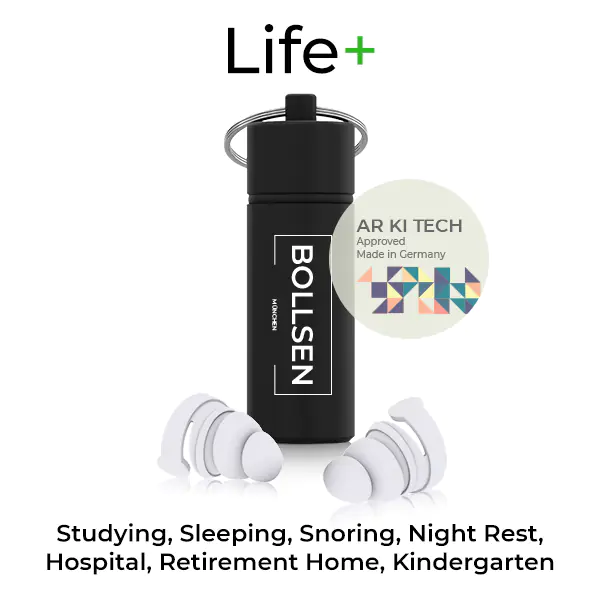
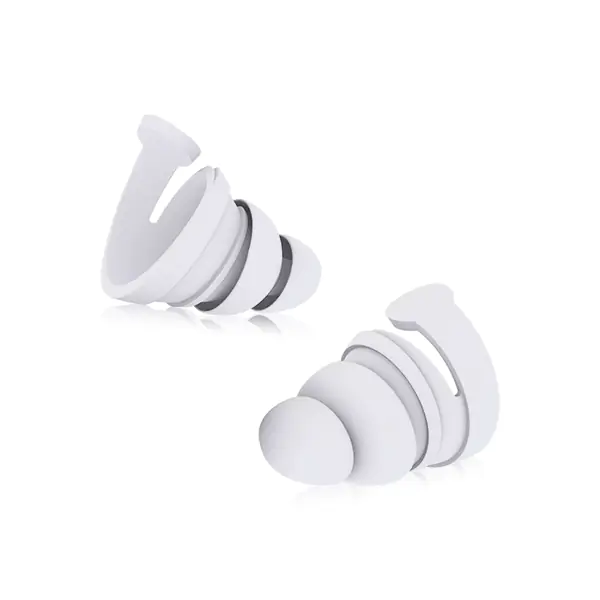
Which Earplugs Are Recommended for Side Sleepers?
For side sleeping, reusable silicone earplugs with a moderate SNR rating are usually the most comfortable option. They maintain a seal without expanding aggressively inside the ear canal and remain comfortable even when the ear is pressed against a pillow.
Products designed specifically for sleep typically offer:
- Low profile shape that does not protrude
- Soft, flexible material that adapts to ear canal movement
- Moderate noise reduction that reduces disturbances without isolating completely
A small selection of sleep focused earplugs is shown above to help you compare suitable options quickly. If you want a broader overview of solutions designed specifically for night time use, see our complete guide to earplugs for sleeping.
Why Side Sleepers Often Struggle with Earplugs?
When you sleep on your side, your ear is pressed between your head and the pillow for hours at a time. This creates several problems with many common earplugs.
Foam earplugs expand inside the ear canal. Under pillow pressure, this expansion can cause discomfort, soreness, or even push the earplug partially out. Rigid or high profile designs can also create pressure points on the outer ear, leading to pain that wakes you during the night.
Side sleepers are also more sensitive to poor fit. Even small gaps caused by movement can reduce noise reduction and force you to adjust the earplugs repeatedly during the night.
What Makes an Earplug Suitable for Side Sleeping?
The most important features for side sleepers are comfort and stability.
Low profile designs sit deeper in the ear canal and do not press against the pillow. Soft materials such as medical grade silicone adapt to pressure instead of resisting it. Reusable designs also tend to maintain a more consistent shape throughout the night compared to expanding foam.
Moderate sound reduction is usually sufficient. Very high noise reduction earplugs are often thicker and stiffer, which increases pressure and discomfort for side sleepers.

Foam vs Silicone vs Wax: Which Is Best for Side Sleepers?
Different earplug materials behave very differently when your ear is pressed against a pillow. For side sleepers, comfort and stability matter more than maximum expansion or stiffness.
Foam earplugs expand inside the ear canal, which can create pressure and discomfort when lying on your side. Silicone earplugs are softer and more flexible, allowing them to sit flush and adapt to movement. Wax earplugs can feel soft at first but may lose their seal as they warm up during the night.
For a full material breakdown, including pros and cons for different sleeping positions, see our detailed guide on earplug types and materials. For most side sleepers, soft reusable designs offer the best balance between comfort and reliable noise reduction.
The RNID guidance on safe noise exposure levels confirms that repeated exposure to sounds above 85 dB can cause permanent hearing loss, relevant context for understanding why the right SNR rating matters even in a sleep setting.
How Much Noise Reduction Do Side Sleepers Need?
Side sleepers usually do not need maximum industrial level noise reduction. What matters more is reducing disruptive noise enough to prevent frequent awakenings while keeping the earplugs comfortable under pillow pressure.
Snoring at the bed partner’s ear typically reaches 55-65 dB, yet the recommended NRR and SNR range for side sleepers sits between 24-27 dB rather than industrial-grade ratings, because pillow contact progressively compresses foam past its rated attenuation depth.
The Sleep Foundation research on noise and sleep quality found that nearly 20% of people report noise regularly disrupting their sleep, and that even moderate ambient noise measurably increases the number of night-time awakenings.
The WHO Environmental Noise Guidelines for the European Region recommend indoor bedroom noise levels below 30 dB for undisturbed sleep, the target your earplugs’ SNR rating is working to achieve.
Are Earplugs Safe for Side Sleepers?
Earplugs designed for sleep are generally safe for side sleepers when they are used correctly and kept clean. Problems usually arise not from side sleeping itself, but from using earplugs that are too stiff, poorly fitted, or not cleaned regularly.
Soft, low profile earplugs reduce pressure inside the ear canal and are less likely to cause soreness when your ear is pressed against a pillow. Regular cleaning and proper storage help prevent irritation and support long term ear health. Choosing the correct size is equally important, as earplugs that are too large or too small can cause discomfort regardless of sleeping position.
If you plan to use earplugs every night and want a deeper understanding of hygiene, long term use, and when to avoid earplugs, read our full guide on earplugs and safety.

His connection to hearing protection stems from personal experience with sound sensitivity during live events and work in noisy environments, an issue that made him more aware of the long-term risks of unmanaged noise exposure. Today, as both a communicator and a user of BOLLSEN products, he is passionate about raising awareness around the importance of proactive hearing care.
At BOLLSEN, he develops data-driven marketing campaigns, writes SEO-focused articles, and manages communication channels that connect customers with practical knowledge about hearing protection. His work ensures that BOLLSEN’s message—prioritizing health, performance, and sustainability reaches a global audience in an engaging and trustworthy way.
Passionate about writing since childhood, Timotej combines creativity with a strong analytical approach, continuously testing new ideas in digital marketing, performance advertising, and social media. He believes in learning through innovation and collaboration, balancing leadership with openness to new perspectives.
Beyond his professional role, Timotej is committed to a healthy lifestyle and finds inspiration in fitness, sports, and quality time with friends. His personal passion for well-being aligns with BOLLSEN’s core values, making his work not only a career but also a cause he deeply believes in.