
⏱️ Estimated reading time: 9 min

Key Takeaways
Silicone earplugs are widely used for sleeping, swimming, music, etc. They combine comfort with reusability and are generally considered safe and hypoallergenic. Unlike disposable alternatives, they are made of hypoallergenic silicone that fits gently in the ear, making them safe for regular use. This guide explains what silicone earplugs are, how they offer unique benefits, where they fall short, and how they compare to foam and wax versions.
Understanding silicone earplugs also requires comparing them with foam and wax alternatives, which we’ve explained in detail in our guide to types of earplugs (silicone, foam, wax).
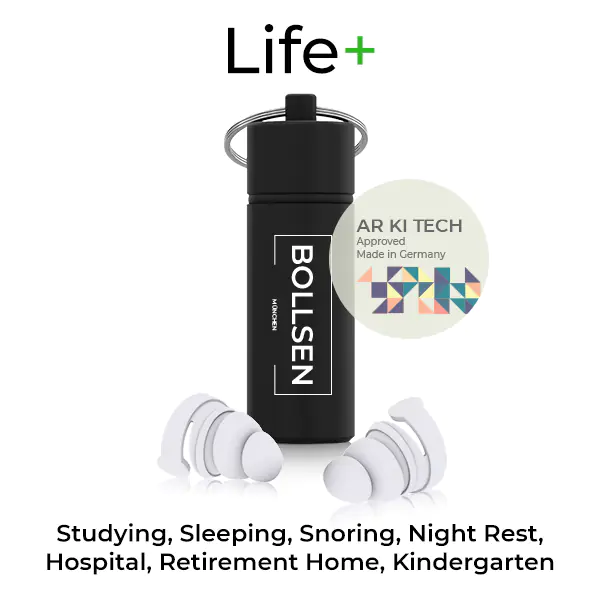
Silicone earplugs are safe and reusable. Made from soft, medical-grade silicone, a good pair can be washed and reused many times, often for months, as long as it is cleaned between uses and still holds its shape. A reusable plug like the Bollsen Life+ is rated for up to 100 uses at 24 dB SNR, which is why silicone is the usual choice for nightly sleep rather than disposable foam.
What Are Silicone Earplugs?
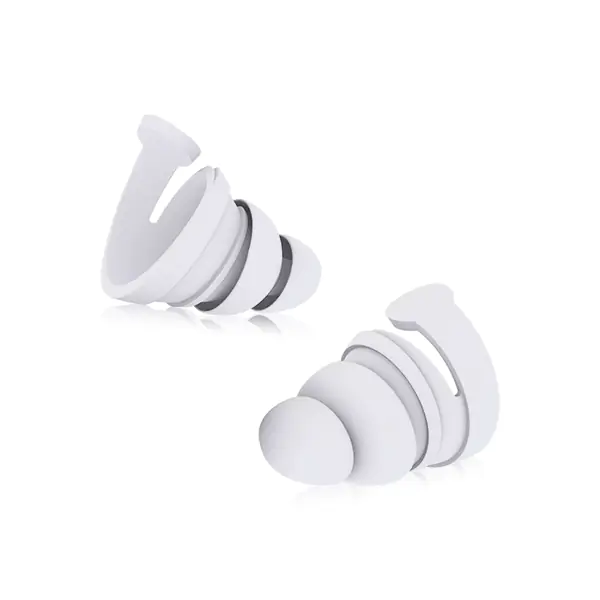
Silicone earplugs are made of medical grade silicone that is soft, flexible, and washable. They adapt to the ear’s contour through pre shaped tips that slide comfortably into the canal and provide waterproof protection while also offering moderate noise reduction. Typical noise reduction ratings range from 22 to 25 decibels, which makes them suitable for daily use without isolating the wearer completely.
- Material: hypoallergenic silicone that is non toxic and gentle for sensitive ears.
- Durability: washable and reusable, lasting weeks or months depending on care.
- Comfort: adapts to the ear’s shape, making them easier for side sleepers than foam.
Benefits and Use Cases of Silicone Earplugs
Silicone earplugs provide several benefits across different scenarios. They offer comfort during rest, are used in swimming for water sealing, and reduce distracting noise during study or travel.
For Sleeping and Snoring
In quiet bedrooms or environments with mild noise, silicone plugs reduce disturbances while keeping a comfortable fit. Noise during rest often impacts sleep quality, which can be improved by using earplugs for sleeping designed specifically for overnight comfort and noise reduction.
For Swimming and Water Protection
Silicone plugs offer waterproof sealing, which helps protect against swimmer’s ear or infections. Their flexibility makes them suitable for both recreational and professional swimmers.
For Music Lovers and Concert Goers
Concert goers and musicians often use silicone earplugs to reduce sound intensity without losing clarity. They help preserve audio fidelity by lowering decibel levels while still allowing music to be enjoyed. Their comfort and reusable design make them suitable for long shows, rehearsals, and festivals.
The Sleep Foundation review of earplugs for sleeping identifies silicone as the preferred earplug material for nightly sleep use, citing its reusability, comfort during side sleeping, and consistent acoustic seal compared to foam alternatives.
Drawbacks and Limitations
Silicone earplugs come with a few considerations to keep in mind, which helps users make the best choice for their needs. They offer moderate noise reduction, which is generally enough for daily situations, though those exposed to extremely loud settings may benefit from a higher rated alternative. They require cleaning after each use to stay hygienic and comfortable. They may cost more upfront, but this is often offset by their reusability and durability. Over extended periods they may need replacement to maintain peak performance.
- Noise reduction: SNR of 22–25 dB, suitable for most everyday uses.
- Maintenance: cleaning with mild soap and water is recommended for safe use.
- Cost: slightly higher per pair, balanced by the advantage of long term reuse.
Safety, Certifications, and Cleaning Tips
Silicone earplugs are considered safe when manufactured from medical grade, non toxic materials. They should be cleaned regularly after use. Products carrying CE marks or EN 352 certification meet safety standards for hearing protection. However, improper cleaning may cause ear irritation or infections.
- Certification: EN 352 compliance provides assurance of tested hearing protection.
- Cleaning: gentle washing prolongs product lifespan.
- Hypoallergenic quality: medical grade silicone ensures compatibility with sensitive skin.
How to Choose the Right Silicone Earplugs
The best choice of silicone earplugs depends on intended use. Buyers should consider fit, comfort, reusability, and noise rating. Multi size packs help ensure a snug fit for different ear canals.
Checklist for choosing silicone earplugs:
The WHO Environmental Noise Guidelines recommend bedroom noise levels below 30 dB for undisturbed sleep, the threshold that informs the SNR rating you should look for when selecting silicone earplugs for your specific noise environment.
- SNR rating (22–25 dB for general use)
- Comfort for side sleepers
- Waterproof properties for swimmers
- Price and available bundle sizes
- Certifications such as CE or EN 352
- Ease of cleaning and reusability


Conclusion
Silicone earplugs offer a balance of safety, comfort, and cost effectiveness. They excel in daily use, sleep, swimming, and music listening. Their hypoallergenic properties and washability make them a sustainable choice for long term users.
To explore how silicone compares directly with other materials, visit our overview of types of earplugs (silicone, foam, wax)

His connection to hearing protection stems from personal experience with sound sensitivity during live events and work in noisy environments, an issue that made him more aware of the long-term risks of unmanaged noise exposure. Today, as both a communicator and a user of BOLLSEN products, he is passionate about raising awareness around the importance of proactive hearing care.
At BOLLSEN, he develops data-driven marketing campaigns, writes SEO-focused articles, and manages communication channels that connect customers with practical knowledge about hearing protection. His work ensures that BOLLSEN’s message—prioritizing health, performance, and sustainability reaches a global audience in an engaging and trustworthy way.
Passionate about writing since childhood, Timotej combines creativity with a strong analytical approach, continuously testing new ideas in digital marketing, performance advertising, and social media. He believes in learning through innovation and collaboration, balancing leadership with openness to new perspectives.
Beyond his professional role, Timotej is committed to a healthy lifestyle and finds inspiration in fitness, sports, and quality time with friends. His personal passion for well-being aligns with BOLLSEN’s core values, making his work not only a career but also a cause he deeply believes in.
Comments are closed.