
⏱️ Estimated reading time: 11 min
Summarize with AI

⏱️ Estimated reading time: 11 min
If you feel itching, redness, or mild pain after use, the earplugs may be too tight or inserted too deeply. Persistent discomfort or discharge may indicate infection, and an ENT visit is recommended.
Reusable silicone earplugs should be washed after every use and fully dried before storage. Foam earplugs should be replaced daily to prevent bacterial buildup.
Roll and compress foam earplugs, gently pull your ear upward to straighten the canal, and insert carefully. If you are using silicone earplugs, place an earplug on the index finger, pull your ear slightly upwards and move your head to the side. Insert the plug at a slightly oblique angle.
No. When properly fitted and cleaned, earplugs are safe for nightly use. Harm only occurs from poor hygiene or prolonged pressure inside the ear canal.
Foam absorbs oils and sweat and must be replaced often. Silicone can be washed and reused, while wax offers a tighter seal but can trap warmth.
Keep earplugs in a dry, ventilated case away from moisture. Avoid storing them in bathrooms and replace the case if you notice residue or odor.
Using reusable earplugs for sleeping can transform your quality of rest, but comfort and hygiene depend entirely on how they are inserted and maintained. Before establishing this routine, many people ask whether it is safe to sleep with earplugs every night, and the answer depends almost entirely on proper insertion technique and consistent cleaning. Many people experience discomfort or even ear infections simply because of incorrect use. Proper technique not only ensures quiet nights but also safeguards your ear health.
Sleep earplugs protect from nighttime noise exposure, helping the body maintain a consistent rest cycle even in loud environments. However, improper use increases the risk of ear irritation or infection when earplugs are not inserted correctly or cleaned regularly. To achieve both comfort and safety, correct insertion ensures canal hygiene and a proper seal, keeping unwanted debris and moisture out. Finally, regular cleaning maintains long-term hearing comfort, allowing users to enjoy peaceful sleep without compromising ear health.
Here we will explain step by step how to insert and care for your earplugs so that you can enjoy restorative sleep without pain or risk.
To clean reusable earplugs, wash them in warm, soapy water, rinse, and let them dry fully before the next use. Foam plugs cannot really be washed and should be replaced every few days, while silicone and wax plugs last far longer with regular cleaning. Keep them in a dry case, never share a pair, and replace any plug that has lost its shape or feels sticky. Done consistently, this keeps earwax buildup, irritation, and ear infections away even with nightly use.
A correct fit determines whether earplugs protect from noise or cause irritation. Incorrect insertion often leads to canal abrasions or wax impaction, which increases infection risk. When earplugs are inserted too deeply, they may press on sensitive skin, while a loose fit allows bacteria-laden moisture to enter the ear. Understanding why precision matters is the first step toward safe use.
Improper placement causes friction and moisture accumulation. When plugs rub against the canal wall, micro-tears can form, providing pathways for bacteria. Moisture trapped beneath foam or silicone encourages fungal growth. Inserting earplugs with unwashed hands also transfers microbes directly into the canal. Always clean your hands and ensure the plugs are dry before use.
A balanced seal depends on even pressure across the canal. If you feel a dull ache or pressure deep inside, your plugs may be too tight. If sounds still seem loud, they are too shallow. The best fit creates a gentle seal that stays in place even when you move your head. Which Steps Ensure a Secure but Comfortable Fit?
For foam earplugs, compress them between your fingers and insert while pulling your ear upward to straighten the canal. Hold in place for a few seconds as they expand. Silicone or wax plugs should be shaped to cover the canal opening rather than pushed deeply inside. Each material reacts differently, as explored in Foam vs silicone vs wax vs custom-moulded: which earplug material is best for sleeping? where comfort and flexibility are compared across sleep styles.
The NHS sleep quality guidance identifies a quiet bedroom as one of the highest-impact environmental conditions for better sleep, a goal that correct earplug insertion directly supports by ensuring the acoustic seal is maintained throughout the night.
Cleanliness prevents most earplug-related infections. A hygiene routine reduces microbial buildup, requires minimal effort, and extends product life. Understanding material limitations ensures that care habits align with the earplug type.
Reusable silicone plugs require washing after every use with warm soapy water. Dry them completely before storage, as moisture encourages bacteria. Foam earplugs should be replaced daily because they absorb oils and cannot be cleaned effectively.
Washing is effective, but disinfection adds another layer of safety. After cleaning, wipe silicone earplugs with alcohol-free antibacterial wipes. Harsh chemicals damage the material’s surface and reduce its seal quality. Air-dry completely before storing.
Earplugs cleaned once weekly degrade faster when used before every daytime shift. Earplugs for shift workers and the daily care routine they require covers how to adapt the cleaning schedule and replacement frequency to the higher wear rate that pre-shift use creates.
Material composition directly influences cleanliness, comfort, and acoustic performance. Each substance interacts differently with skin, heat, and moisture. The right material balances sound attenuation with skin tolerance.
Foam absorbs sweat and oils, requiring frequent replacement, while silicone offers reusability and easy washing. Wax plugs create a full seal but can trap warmth. A full breakdown of how different materials require different care covers foam replacement cycles, silicone washing protocols, and the specific hygiene steps for wax and custom-moulded designs.
Even the most advanced earplugs cannot block all sound. Bone conduction transmits vibrations directly to the inner ear. Physics simply prevents complete silence. How Do Filters Change Noise Attenuation While Maintaining Hygiene?
Filters modify airflow, balance pressure, and improve breathability inside the canal. They also help maintain stable humidity levels, reducing bacterial growth.
Long-term safety depends on balanced use and regular ear checkups. Earplugs are safe when hygiene and rest cycles are respected. Overuse without cleaning or periodic breaks leads to irritation and wax compaction.
Medical reviews show that consistent use does not damage hearing when earplugs are fitted properly. Problems arise only when users ignore pressure buildup or neglect cleaning. When Should You Replace or Stop Using a Pair of Earplugs?
Foam plugs lose elasticity after a few uses, compromising their seal. Silicone plugs collect oils over time, so replacing them every few months reduces contamination risk. If your plugs show discoloration, tears, or persistent odor, it’s time to dispose of them. Periodic replacement ensures both comfort and hygiene.
Regular ENT or audiologist visits assess ear canal health and verify that earplugs fit correctly. Professionals can recommend custom-moulded models for irregular canals or chronic irritation. Conclusion: How Does Proper Earplug Care Protect Your Sleep and Hearing Health?
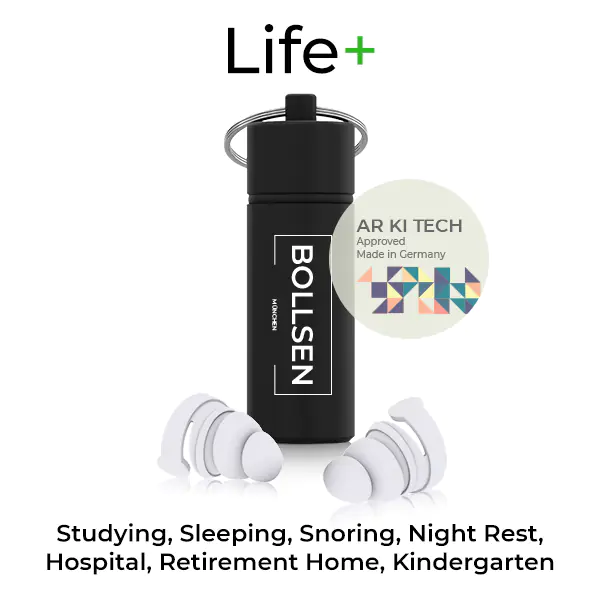
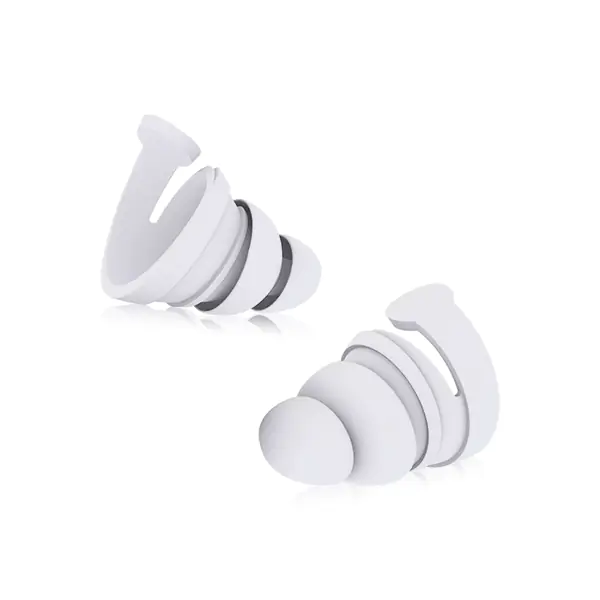
Correct insertion and consistent hygiene maintain ear health, reduce infection risk, and improve nightly comfort. Choosing the right material and learning safe handling builds lasting confidence in nightly use. If you are looking for a medical-grade silicone option built for nightly use, the Life+ reusable sleep earplugs are shaped with a patented 2-lamellae seal that fits back, stomach, and side sleepers and wipes clean after every use. With a small commitment to cleaning and awareness, you can enjoy restful, uninterrupted sleep while keeping your ears protected for years to come.
The RNID guide to hearing loss prevention confirms that noise-induced hearing loss is permanent, which is why maintaining the structural integrity of your earplugs through correct cleaning and storage is as important as the earplug’s rated noise reduction figure.


Comments are closed.