
⏱️ Estimated reading time: 21 min

Key Takeaways
- Ear plugs are better if you need discretion and want to block high-frequency noise like chatter or traffic.
- Earmuffs are ideal in loud, unpredictable environments or if you’re sensitive to pressure in your ears.
In today’s noisy world, protecting your hearing is more important than ever. Whether you’re working in a loud environment or trying to sleep peacefully, noise reduction solutions are essential.
Sound cancelling earmuffs and traditional earplugs are two popular options. Both aim to reduce noise, but they work in different ways. Earmuffs cover the entire ear, creating a barrier against sound. They are often more comfortable for long periods. Earplugs, on the other hand, fit inside the ear canal. They are discreet and portable, making them a convenient choice.
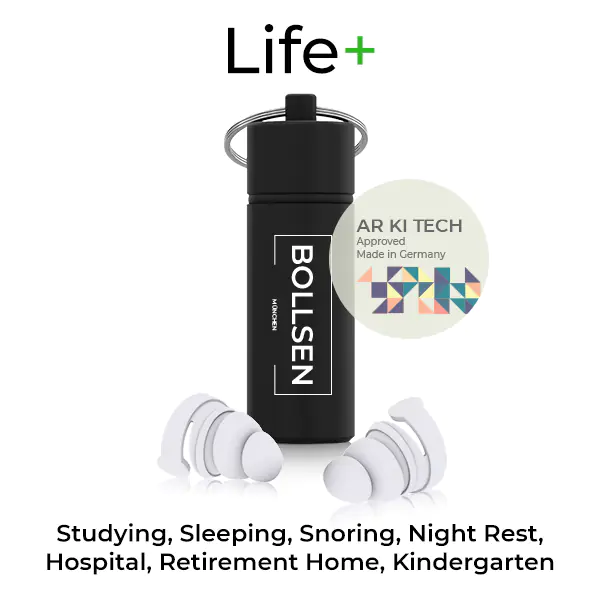
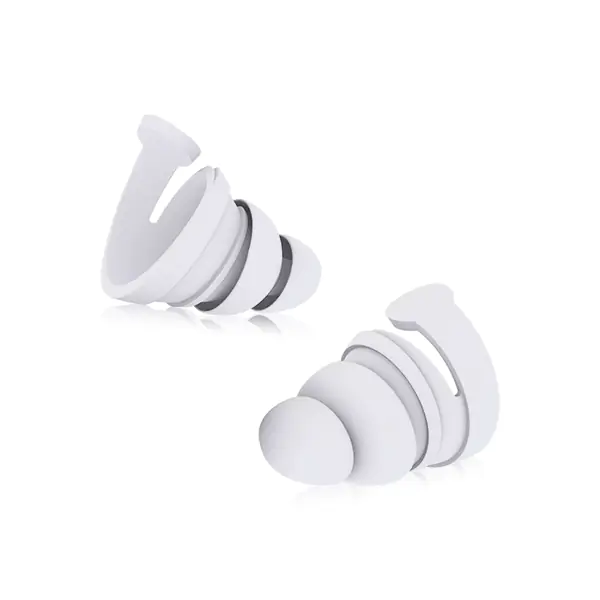
This guide is based on insights from Bollsen, where we specialize in solutions for sleep, travel, and loud environments with our Life+ earplugs. Choosing between earmuffs and earplugs depends on your specific needs. Each has its own advantages and drawbacks. Sound cancelling earmuffs are great for reducing low-frequency noise. They are often used in industrial settings and during loud events. Traditional earplugs excel at blocking high-frequency sounds. They are ideal for sleeping or traveling.
Comfort is a key factor when selecting hearing protection. Earmuffs can be adjusted for a snug fit, while earplugs come in various materials for comfort. Cost is another consideration. Earmuffs are generally more expensive but reusable. Earplugs are often single-use but cheaper upfront. Both options require proper fit to ensure maximum noise reduction.
Regular maintenance is also important for hygiene and longevity. In some cases, combining earmuffs with earplugs offers the best protection. This is especially true in extremely loud environments.
Ultimately, the choice between earmuffs and earplugs is personal. It depends on your lifestyle, environment, and specific needs. This article will explore the differences between these two options. We’ll help you make an informed decision for your hearing protection.
Introduction to Hearing Protection
Hearing protection is crucial in today’s noisy environments. Prolonged exposure to loud noise can damage hearing over time. This makes understanding hearing protection options essential. Noise-induced hearing loss is common, yet preventable. Simple measures, like using ear protection, can significantly reduce risk. It’s important to pick a solution that fits your lifestyle and needs. Different environments require different levels of protection. Industrial workplaces often have high decibel levels. This makes noise cancelling ear protection vital for workers’ safety. There are various forms of hearing protection available. Here are some popular choices:
- Sound cancelling earmuffs: These cover the entire ear and often include advanced features like Bluetooth.
- Traditional earplugs: Inserted into the ear canal, they are small and easy to carry.
- Kids noise cancelling headphones: Tailored to smaller head sizes, often with volume limits for safety.
- Soundproof earmuffs for sleeping: Designed for comfort during rest, blocking disruptive noises.
Choosing the right type of protection depends on several factors. Comfort, effectiveness, and cost are key considerations. In some cases, a combination of solutions might be necessary for optimal protection. The goal is to minimize noise exposure without compromising comfort. It’s also important to consider how easy the protection is to use and maintain. Proper care can extend the life of your hearing protection and improve performance. Understanding and selecting the right hearing protection is a step towards preserving your auditory health. Each option has unique benefits that can cater to different needs. Whether you work in a noisy environment or need peace and quiet for sleeping, there’s a solution for you.
Understanding Sound Cancelling Technology
Sound cancelling technology is a marvel of modern engineering. It helps reduce unwanted noise effectively. This technology is especially useful in loud environments. At the core, sound cancelling technology uses active noise control. This involves creating sound waves to cancel out unwanted noises. The technology is prevalent in many audio devices today. Key components include microphones and speakers. Microphones detect ambient noise. Meanwhile, speakers emit sound waves that counteract the detected noise. Several benefits stem from utilizing this technology:
- Enhanced focus: By reducing background noise, users can concentrate better.
- Improved communication: In noisy settings, technology enhances clarity during conversations.
- Increased comfort: Users can enjoy quieter environments without straining their hearing.
This tech is not just in consumer products. It’s also found in industrial settings, aiding workers in noise reduction. Noise cancelling technology proves invaluable in maintaining hearing health in such environments. Active and passive noise cancelling techniques often work together. While active methods use electronics, passive ones rely on materials and design. Both contribute to an overall quieter experience.
What are Sound Cancelling Earmuffs?
Sound cancelling earmuffs are a popular choice for noise reduction. They cover the entire ear, creating a seal against external noise. Their design provides both comfort and effectiveness. These earmuffs often incorporate active noise cancelling technology. They have built-in microphones and speakers for optimal sound reduction. This enhances their ability to block unwanted noise frequencies. Several features make these earmuffs appealing:
- Adjustable headbands: Ensures a snug fit for various head sizes.
- Padded ear cups: Offers comfort during long periods of use.
- Foldable design: Eases storage and transportation.
Sound cancelling earmuffs are ideal for various settings. They are especially helpful in industrial workplaces and concert venues. Their ability to reduce noise without intrusive fittings is a major advantage. Some earmuffs offer additional capabilities like Bluetooth connectivity. This allows users to listen to music or take calls while blocking noise. The versatility of these earmuffs makes them a preferred choice for many. These earmuffs are generally more expensive than earplugs. However, their long-lasting build and additional features justify the cost. Investing in quality earmuffs ensures reliable protection against harmful noise levels.
How Do Noise Cancelling Ear Defenders Work?
Noise cancelling ear defenders combine advanced technology with practical design. They offer substantial protection in loud environments. The key lies in how they manage sound waves. These devices utilize active noise cancellation (ANC). Microphones detect ambient noise, capturing it in real-time. This information allows the earmuffs to emit counteracting sound waves. The process is intricate yet effective. It requires:
- Real-time processing: Detects and cancels noise instantaneously.
- Frequency targeting: Focuses on specific frequencies for maximum impact.
- Power management: Balances battery life with performance to ensure continuous protection.
Ear defenders also employ passive noise reduction. The materials and design block sound physically. This dual approach maximizes noise reduction potential. Such technology is invaluable for people exposed to constant loud noise. Construction workers, musicians, and frequent travelers often rely on these devices. The combination of comfort and protection is unmatched. Maintenance is essential for optimal performance. Regular cleaning and checking batteries keep ear defenders functioning well. Proper care extends the life and efficacy of these valuable devices. With such comprehensive technology, noise cancelling ear defenders offer great peace of mind. They are a critical asset in preserving hearing health and well-being in noisy settings.
Comparing Effectiveness
Sound cancelling earmuffs and traditional earplugs serve the same purpose. Yet, they achieve it through distinct methods. The effectiveness of each varies based on design and use. Earmuffs offer a robust physical barrier. They enclose the ears completely, keeping sound waves from reaching the ear. This makes them effective against low-frequency noises. Earplugs block sound by filling the ear canal. They are particularly adept at high-frequency sound reduction. This unique capability makes them suitable for specific environments. Key factors that influence effectiveness include:
- Material type: Different materials affect noise reduction capabilities.
- Fit and seal quality: A good seal enhances noise-blocking ability.
- Noise source frequency: Determines whether earmuffs or earplugs are more suitable.
The choice between them often depends on the specific noise environment. For instance, construction sites may favor earmuffs. Meanwhile, concerts might demand earplugs for discrete protection. Users may combine both for maximum noise reduction in extremely loud settings. This dual approach ensures comprehensive coverage, leveraging the strengths of each type. Thus, effectiveness can be tailored to meet individual needs.
Signal-to-noise ratio (SNR)
The Signal-to-noise ratio (SNR) is crucial. It measures the noise reduction capability of hearing protection devices. Measured in decibels (dB), it indicates how much noise is reduced when using the device. Earmuffs generally have higher SNRs compared to earplugs. This is due to their design, which covers a larger area around the ear. Higher SNRs suggest superior noise reduction, crucial for very loud environments. Earplugs may have varying SNRs based on material. Foam earplugs often offer higher ratings. Meanwhile, silicone ones may provide a more comfortable fit at a slight reduction in SNR. When choosing a device, consider these aspects:
- Understand the environment’s noise level: Match the SNR to the setting for best protection.
- Evaluate comfort versus protection: Higher SNR might mean larger, less comfortable devices.
- Check for certification: Ensure the product is certified for its claimed SNR.
Proper SNR understanding ensures the selection of suitable hearing protection. This consideration is vital in safeguarding hearing health effectively.
Real-world Testing: Earmuffs vs. Earplugs
At Bollsen, we’ve tested both solutions in real-world conditions from sleep to construction and built our earplug lineup around proven comfort and effectiveness. This hands-on research helps us guide customers toward the most suitable solution for their specific environments. Real-world testing is essential for assessing hearing protection. Lab measurements often don’t capture everyday challenges. Testing in actual environments provides insight into usability and effectiveness. Earmuffs tend to outperform earplugs in dynamic settings. Their over-the-ear design protects against low-frequency noise commonly found in industrial sites. This makes them a go-to for situations involving constant loud background noise. In contrast, earplugs excel in high-frequency noise environments. Testing shows their benefits in settings like concerts. Their discreet and portable nature also adds to convenience and usability. Here are some testing considerations:
- Consider the activity type: Choose based on whether mobility or stationary protection is needed.
- Analyze noise exposure duration: Longer exposure might benefit from the comfort of earmuffs.
- Examine user interaction: Interaction with surroundings may require easy removal, favoring earmuffs.
These tests affirm that practical experience surpasses theoretical data. Observing how these devices perform in real life is key. Such assessments ensure users select the most effective hearing protection for their needs.
Comfort and Wearability
When considering hearing protection, comfort and wearability are crucial. Earmuffs and earplugs differ in these aspects, influencing user satisfaction and continued use. Sound cancelling earmuffs are generally more comfortable for long-term wear. Their cushioned ear cups are designed for extended use. This makes them ideal for prolonged exposure to loud environments. Earplugs, however, offer a discreet and low-profile option. They fit snugly into the ear canal, making them less noticeable. Their compact nature is convenient for carrying and quick insertion. Both earmuffs and earplugs come with unique features enhancing comfort:
- Adjustability: Earmuffs often include adjustable headbands for a snug fit.
- Material Options: Earplugs come in foam, silicone, and wax, catering to different comfort preferences.
- Design Variations: Choose from foldable earmuffs or custom-molded earplugs for enhanced comfort.
Wearability often depends on personal preference and activity type. For instance, earmuffs may be inconvenient in warm environments. Meanwhile, earplugs may feel uncomfortable with improper insertion. Ultimately, the right choice balances noise reduction with comfort. This ensures protection without compromising on user experience. Consider trying both to find the ideal balance for personal needs.
Ergonomics of Sound Cancelling Earmuffs
Sound cancelling earmuffs prioritize ergonomic design for user comfort. They focus on ease of use, offering adjustable headbands to fit various head sizes. This allows a personalized fit, reducing pressure and ensuring comfort even during prolonged wear. The cushioned ear cups provide a soft, snug seal around the ears. This not only enhances noise reduction but also prevents discomfort. High-quality materials minimize pressure points, making them suitable for extended use in noisy settings. Earmuffs often feature lightweight construction to reduce fatigue. This is especially beneficial for workers who wear them all day. Features like flexible hinges and swiveling ear cups enhance flexibility and fit. Important ergonomic features include:
- Adjustable headbands: Allow custom fits for different users.
- Swivel ear cups: Improve comfort by adapting to ear shape.
- Foldability: Makes them easy to store and transport.
These ergonomic designs contribute to enhanced wearability, ensuring that the earmuffs remain comfortable throughout use. By focusing on user experience, sound cancelling earmuffs are an attractive option for those needing consistent noise reduction.
Comfort Features in Traditional Earplugs
Traditional earplugs focus on in-ear comfort. Their design aims to minimize irritation and provide a snug fit. The choice of materials, like foam, silicone, and wax, caters to varying comfort levels. Foam earplugs expand in the ear canal. This creates a secure fit that blocks noise effectively. Their soft texture enhances comfort for many users, making them a popular choice. Silicone earplugs are known for their flexibility. They provide a customizable fit by molding to ear shape. This adaptability offers comfort across diverse ear canal sizes. Wax earplugs offer a soft, pliable fit. They are often preferred for sleeping due to their mild material. This makes them ideal for overnight use. Key comfort features include:
- Custom-molded options: Ensure a perfect fit for maximum comfort.
- Soft materials: Reduce irritation during prolonged wear.
- Portability: Small size allows for easy storage and quick access.
Considering these features helps in choosing the right earplugs for comfort-sensitive users. Each material offers distinct benefits, allowing users to select based on personal preference and specific needs.
Use Cases and Scenarios
Choosing between sound cancelling earmuffs and traditional earplugs often depends on specific use cases. Each offers unique advantages tailored to different noise environments and individual needs. Earmuffs are ideal in environments with fluctuating noise levels. They provide consistent protection and can be quickly removed. Their design makes them suitable for industrial settings, such as construction sites and airports. In contrast, earplugs excel in environments where discreet wear is essential. They’re favored by musicians and concert-goers. Earplugs provide effective noise reduction while being hardly noticeable. Both options cater to multiple audiences, including:
- Sleepers: Soundproof earmuffs or soft earplugs enhance sleep quality.
- Workers: Earmuffs offer reliable protection in loud workspaces.
- Travelers: Earplugs are easy to pack and ideal for reducing travel noise.
Deciding between them should consider the activity, setting, and personal comfort. For users needing quick noise reduction adjustments, earmuffs might be preferred. Conversely, those needing subtle yet effective protection may gravitate towards earplugs.
Ideal Situations for Noise Cancelling Earmuffs
Noise cancelling earmuffs serve individuals in specific, often high-decibel, scenarios. They offer robust hearing protection where consistent exposure to loud noise is a concern. Factories and construction sites benefit greatly from earmuffs. These environments demand long-term use and quick removal as conditions change. Their design allows users to comfortably manage noise exposure through adjustable features. Shooting ranges and motorsports are other scenarios suited for earmuffs. Here, both steady and sudden loud noises occur. Earmuffs with high noise reduction ratings provide essential protection for hearing health. Common situations for earmuffs include:
- Industrial Work: Protects against machines and construction noise.
- Sports Settings: Aids in managing sudden loud sounds.
- Educational Use: Helps students focus by reducing classroom noise.
In environments where safety gear is necessary, earmuffs’ compatibility with hard hats and other equipment is invaluable. The ease of use and comfort make them a preferred choice for those requiring constant protection.
Scenarios Best Suited for Earplugs
Traditional earplugs shine in more subtle noise environments. Their discreet nature and ease of use make them a versatile choice for many scenarios. Travelers often find earplugs beneficial during flights and train rides. They effectively block engine noise, helping passengers rest or concentrate. Being lightweight and portable, they fit easily into travel kits. Earplugs also play a crucial role in the medical field. Patients use them during procedures to minimize loud noises. Their ability to reduce specific frequencies makes them excellent for these controlled environments. Additional scenarios for earplug use include:
- Music Venues: Protects hearing at concerts without muffling sound.
- Swimming: Prevents water from entering the ear canals.
- Sleeping: Enhances rest by reducing ambient noise.
For individuals experiencing hyperacusis, earplugs help manage daily noise exposure. Their versatility and customizable fit address a wide range of needs, offering consistent, effective noise reduction where subtlety and convenience are priorities.
Making the Right Choice
Selecting between sound cancelling earmuffs and traditional earplugs involves more than comfort or personal preference. It’s about how each aligns with your lifestyle and specific noise reduction needs. Consider the environments you frequent. Are you more often in loud, industrial spaces, or do you occasionally face noise issues, like during travel? Your daily activities and exposure to noise should guide your decision. Additionally, your sensitivity to noise can significantly influence your choice. Some people might need higher levels of noise reduction for health or comfort. In such cases, combining both earmuffs and earplugs could be beneficial. Think about the practicality of each option in your daily life. Will you need easy access to conversations or alerts? If yes, earmuffs that can be quickly removed might be better suited. Also, weigh the long-term costs and maintenance. While earmuffs may be more expensive initially, their reusability could offset costs over time. In contrast, earplugs, especially when bought in bulk, often present a cost-effective solution for occasional use. Here’s what to consider:
- Daily Noise Exposure: Identify typical noise levels.
- Usage Frequency: Regular or occasional need?
- Portability vs. Reusability: Which matters more?
- Personal Comfort: How important is ergonomics?
Considering these elements will lead you to a hearing protection solution that fits not only your ears but your lifestyle too.
Factors to Consider: Lifestyle, Environment, and Needs
Your lifestyle plays a crucial role in deciding between earmuffs and earplugs. Different activities and noise environments have specific demands. For active lifestyles involving sports or daily commuting, portable and lightweight solutions might be needed. Earplugs fit easily into pockets or bags, offering effortless convenience. Evaluate your work environment. In noisy industrial settings, effective and durable protection is essential. Earmuffs, with their robust design, often better handle these demands. At home, consider noise sources and personal comfort. If you frequently need peace for concentration or sleep, soundproof earmuffs or comfortable earplugs might be ideal. Assess if communication needs impact your choice. Environments requiring quick, clear communication may benefit from earmuffs due to their easy on-off nature. Your needs might also change over time:
- Activity Level: Are you on the move or stationary?
- Work Demands: Requires heavy-duty or minimal protection?
- Home Environment: Noise sources and personal routines?
- Communication Ease: Quick removal important?
By analyzing these factors, you can make a decision that provides practical daily benefits.
Recommendations: When to Choose Which
Deciding when to use earmuffs or earplugs can be simplified by aligning their features with specific scenarios and preferences. Each has distinct advantages best leveraged in particular circumstances. For intense noise levels, like construction sites or shooting ranges, earmuffs provide superior noise reduction and are easy to handle. They’re also beneficial when pairing with other safety equipment. Earplugs are the go-to for subtle needs, like sleeping or casual music listening. Their unobtrusive nature is perfect for low-key environments or frequent travelers who value minimal bulk. Kids’ environments also factor into the choice. Earmuffs designed for children are both effective and comfortable, ensuring protection without compromising safety. Consider combining both in extremely loud environments where maximum protection is needed. This dual approach ensures comprehensive sound blocking, safeguarding hearing health. To summarize, choose earmuffs:
- In high-noise areas.
- When compatibility with other gear is needed.
- For adjustable noise control and easy removal.
Opt for earplugs:
- When discretion is key.
- For portability in travel settings.
- In low to moderate noise environments.
Ultimately, your choice should reflect your specific needs, ensuring comfort and effectiveness in protecting your hearing in various scenarios.


Conclusion: Your Hearing Protection Choice
Choosing the right hearing protection can significantly impact your quality of life and long-term hearing health. Sound cancelling earmuffs and traditional earplugs each offer unique advantages tailored to various noise environments and personal needs. Sound cancelling earmuffs excel in high-noise situations where quick removal and comfort are necessary. They provide robust protection, especially valuable in industrial environments and for prolonged use. Their ease of use in dynamic settings where communication is essential is unmatched.
Traditional earplugs, however, shine in scenarios where discretion and portability are priorities. They are ideal for sleeping, traveling, or when you require a lightweight solution. Earplugs are cost-effective, especially for those who encounter noise sporadically rather than daily. Ultimately, the best choice reflects your specific lifestyle, environment, and needs. Consider assessing your daily activities, common noise exposure, and comfort preferences.
A combination of both could even be the solution in particularly noisy contexts. Whichever option you choose, investing in appropriate noise cancelling ear protection will safeguard your hearing and improve your overall well-being. Prioritizing your auditory health with sound cancelling earmuffs or earplugs is an essential step toward a quieter, more peaceful life.

His connection to hearing protection stems from personal experience with sound sensitivity during live events and work in noisy environments, an issue that made him more aware of the long-term risks of unmanaged noise exposure. Today, as both a communicator and a user of BOLLSEN products, he is passionate about raising awareness around the importance of proactive hearing care.
At BOLLSEN, he develops data-driven marketing campaigns, writes SEO-focused articles, and manages communication channels that connect customers with practical knowledge about hearing protection. His work ensures that BOLLSEN’s message—prioritizing health, performance, and sustainability reaches a global audience in an engaging and trustworthy way.
Passionate about writing since childhood, Timotej combines creativity with a strong analytical approach, continuously testing new ideas in digital marketing, performance advertising, and social media. He believes in learning through innovation and collaboration, balancing leadership with openness to new perspectives.
Beyond his professional role, Timotej is committed to a healthy lifestyle and finds inspiration in fitness, sports, and quality time with friends. His personal passion for well-being aligns with BOLLSEN’s core values, making his work not only a career but also a cause he deeply believes in.
Comments are closed.