
⏱️ Estimated reading time: 6 min

Key Takeaways
Usually not in races, but many use them during training or in open water.
No. It may reduce water exposure but does not seal the ear canal.
Yes. Properly fitted swim plugs are commonly recommended for children prone to infections.
No. Most swimming earplugs reduce sound slightly but still allow situational awareness.
It is highly recommended. Natural water contains more bacteria than treated pools.
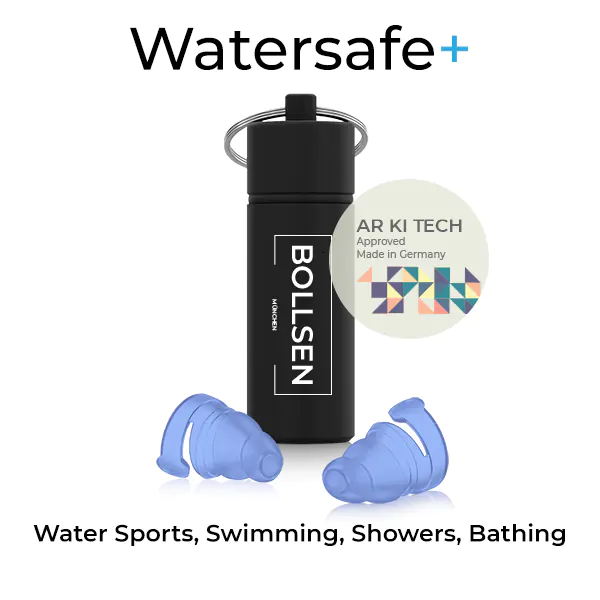
No, a swimming cap does not keep water out of your ears. A cap is made to keep your hair contained and reduce drag, and while it can cut down how much water reaches your ears, it does not seal the ear canal. Whether or not the cap covers your ears, water still gets in. To actually keep water out you need swimming earplugs, which is why many swimmers wear both: a cap for streamlining and Watersafe+ earplugs to seal the ears against water and swimmer’s ear. For every method of keeping water out, not just caps, see our guide to how to keep water out of your ears.
When it comes to swimming gear, most people think of goggles first. But if you care about your ears, whether because of swimmer’s ear, cold‑water exposure, or post‑surgery protection, the real question becomes:
Swimming caps vs earplugs: which one do you actually need?
The answer isn’t either/or. They serve completely different purposes.
Let’s break it down properly.
What a Swimming Cap Is Designed For
A swimming cap is primarily built for performance, hygiene, and hair management.
It helps:
- Reduce drag in the water
- Keep hair out of your face
- Protect hair from chlorine and salt
- Improve visibility in open water (bright colours)
- Hold goggles in place
Some thicker caps, especially silicone, bubble, or neoprene caps, cover the ears. This may reduce splashing and water pressure around the ear.
However, a cap does not create a waterproof seal inside the ear canal.
Water can still:
- Enter from underneath the cap edge
- Seep in during turns and dives
- Get pushed inside by pressure
So if your goal is to keep your ears dry, a swim cap alone is not reliable protection.
What Earplugs Are Designed For
Swimming earplugs are specifically made to block water from entering the ear canal.
That difference matters.
Water trapped in the outer ear canal can create a warm, moist environment where bacteria thrive, leading to swimmer’s ear (otitis externa).
Earplugs help prevent this by creating a physical barrier at the entrance of the ear.
Benefits of swimming earplugs
- Reduce risk of swimmer’s ear
- Prevent water from sitting in the canal
- Increase comfort if you dislike water in your ears
- Reduce cold‑water shock to the eardrum
- recurring ear infections
- ear tubes/grommets
- perforated eardrum (with medical approval)
- sensitive ears
Unlike caps, properly fitted earplugs are designed to seal.
Why Many Swimmers Use Both
This is not a competition. It’s a system.
Using both provides layered protection:
- Earplugs create the waterproof seal
- The cap reduces water pressure and splashing
- The cap helps keep earplugs securely in place
- Added warmth in cold or open water
This combination is especially useful for:
- Open‑water swimmers
- Cold‑water swimmers
- Children
- Post‑ear surgery swimmers
- Anyone prone to infections
For many regular swimmers, this is the safest setup.
When a Swim Cap Alone Is Enough
You may be fine without earplugs if:
- You rarely get water trapped
- You’ve never had swimmer’s ear
- You swim casually in a clean pool
- You don’t mind water entering your ears
In this case, the cap is mainly about speed and hair protection, not ear health.
When Earplugs Are Strongly Recommended
Consider swimming earplugs if you:
- Frequently develop swimmer’s ear
- Feel dizzy when cold water enters your ears
- Swim in lakes, rivers, or the sea
- Spend long sessions in the water
- Have ear tubes or a perforated eardrum
- Are buying protection for a child
For medical needs or maximum waterproofing, earplugs for swimming provide the most secure seal.


The Most Common Myth
“A swim cap keeps my ears dry.”
It doesn’t.
Caps reduce exposure. Earplugs prevent entry.
That distinction is critical if you’re trying to avoid infection.

His connection to hearing protection stems from personal experience with sound sensitivity during live events and work in noisy environments, an issue that made him more aware of the long-term risks of unmanaged noise exposure. Today, as both a communicator and a user of BOLLSEN products, he is passionate about raising awareness around the importance of proactive hearing care.
At BOLLSEN, he develops data-driven marketing campaigns, writes SEO-focused articles, and manages communication channels that connect customers with practical knowledge about hearing protection. His work ensures that BOLLSEN’s message—prioritizing health, performance, and sustainability reaches a global audience in an engaging and trustworthy way.
Passionate about writing since childhood, Timotej combines creativity with a strong analytical approach, continuously testing new ideas in digital marketing, performance advertising, and social media. He believes in learning through innovation and collaboration, balancing leadership with openness to new perspectives.
Beyond his professional role, Timotej is committed to a healthy lifestyle and finds inspiration in fitness, sports, and quality time with friends. His personal passion for well-being aligns with BOLLSEN’s core values, making his work not only a career but also a cause he deeply believes in.