
⏱️ Estimated reading time: 8 min

Key Takeaways
Wax earplugs are made of soft wax blends, sometimes mixed with cotton or lanolin. They mould to the entrance of the ear canal and provide moderate noise reduction for limited situations. Wax plugs are classified as disposable, and they require replacement after short use periods. Their purpose is basic protection in environments with steady background sound, but they also come with several drawbacks compared to reusable options.
To see how wax compares with other materials, read our overview of types of earplugs (silicone, foam, wax).
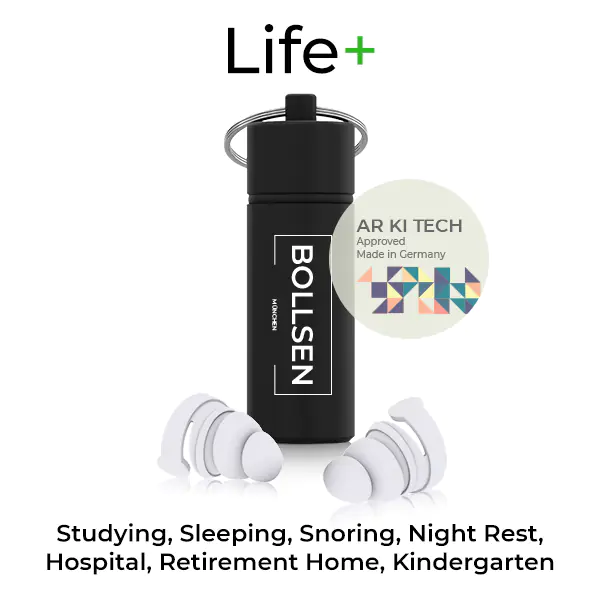
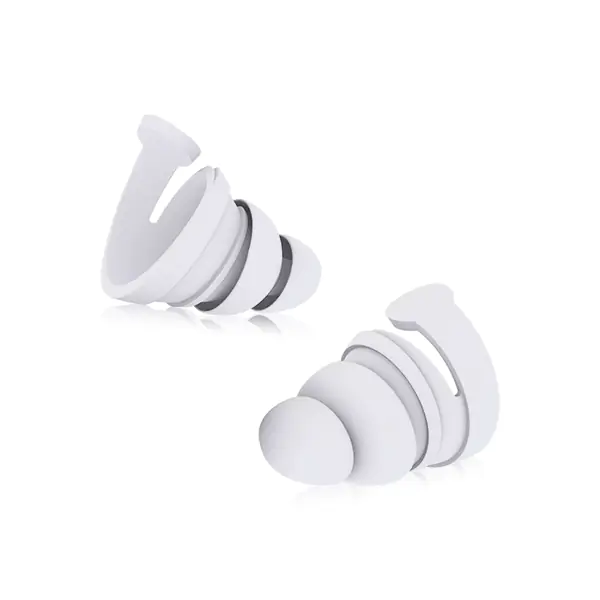
Wax earplugs are soft, mouldable plugs made from beeswax or paraffin wrapped in cotton. You warm a ball between clean fingers, flatten it, and press it over the ear opening to form a seal, they are not pushed into the canal. They block around 22 to 23 dB, suit mild noise and swimming, and are meant for only one or two uses before hygiene drops off. For a reusable nightly option, soft silicone such as the Bollsen Life+ lasts far longer.
What Are Wax Earplugs?
Wax earplugs are made of paraffin or beeswax, sometimes reinforced with cotton. They mould to the shape of the ear opening, forming a temporary barrier against noise. They usually provide around 22 to 23 decibels of noise reduction, which makes them suitable for mild disturbances but not for high noise situations. They soften in heat, which can affect consistency and fit.
- Material: paraffin or beeswax, often with cotton.
- Noise reduction: usually 22 to 23 decibels.
- Longevity: designed for one or two uses.The RNID guidance on hearing protection and safe noise levels confirms that any earplug’s effective attenuation depends on achieving an acoustic seal, the property that makes wax earplugs distinctive from foam, as they mould to the outer canal rather than inserting into it.
Usage Scenarios
Wax earplugs are used in quiet or moderately noisy environments. They appear in pharmacies and travel kits, marketed for occasional rest.
Sleeping in Noisy Homes
Wax plugs reduce low level background sounds. Their softness helps them sit at the ear entrance, but their short lifespan makes them impractical for nightly use. More sustainable choices, such as earplugs for sleeping made from silicone, often offer greater long term value.
Occasional Travel
On airplanes or in hotels, wax plugs help reduce disturbances. They are not designed for frequent or extended use, and repeated wear can leave residue.
Limitations
Wax earplugs have multiple limits that affect their performance. They soften in heat, losing stability. They may leave residue when removed. They are disposable, meaning they require replacement after minimal use. They also offer less durability compared with reusable products.
- Comfort: initially soft, but can become sticky.
- Longevity: one or two uses at most.
- Hygiene: material can trap dust if not handled carefully.
Wax vs. Other Earplug Materials
When compared with alternatives, wax earplugs lack reusability and require frequent replacement. Silicone earplugs provide washability and longer term comfort. Foam earplugs offer higher noise reduction, though they also remain disposable.
For a longer lasting option with better hygiene, see silicone earplugs.
For maximum decibel blocking, foam earplugs are more common in industrial use.
The Sleep Foundation review of sleep earplugs by material notes that wax earplugs score well for occasional use and comfort but are less suitable than silicone for consistent nightly wear due to hygiene maintenance requirements and variable attenuation consistency.
Safety and Proper Use
Wax earplugs should be pressed lightly against the ear opening. They mould to the entrance rather than going deep into the canal. They must be discarded after limited use. Improper removal may cause fragments to remain inside the ear.
- Insertion: roll into a ball, press against ear entrance.
- Duration: not suited for repeated use.
- Safety: avoid pushing inside the ear canal.The NHS guidance on ear health and sound sensitivity advises that ear canal irritation or increased sound sensitivity can be early indicators of improper earplug use, relevant cautions for wax earplug users who apply them too firmly into the ear canal.
Selecting Wax Earplugs
Choice of wax earplugs depends on short term needs, not ongoing comfort. They are packaged in small sets, mainly for travel or occasional nights. Different blends affect softness, but all types remain limited in use.
Checklist for choosing wax earplugs:
- Material blend (paraffin or beeswax).
- Pack size.
- Limited reuse potential.
- Noise reduction rating.


Conclusion
Wax earplugs offer a mouldable barrier for temporary use. They are not suited for long term daily wear. They require replacement after short periods and are limited by residue and heat sensitivity. For users seeking a washable, reusable product, silicone earplugs provide a more sustainable choice.
To compare wax with silicone and foam, read types of earplugs (silicone, foam, wax). For practical advice on nighttime protection, explore earplugs for sleeping.

His connection to hearing protection stems from personal experience with sound sensitivity during live events and work in noisy environments, an issue that made him more aware of the long-term risks of unmanaged noise exposure. Today, as both a communicator and a user of BOLLSEN products, he is passionate about raising awareness around the importance of proactive hearing care.
At BOLLSEN, he develops data-driven marketing campaigns, writes SEO-focused articles, and manages communication channels that connect customers with practical knowledge about hearing protection. His work ensures that BOLLSEN’s message—prioritizing health, performance, and sustainability reaches a global audience in an engaging and trustworthy way.
Passionate about writing since childhood, Timotej combines creativity with a strong analytical approach, continuously testing new ideas in digital marketing, performance advertising, and social media. He believes in learning through innovation and collaboration, balancing leadership with openness to new perspectives.
Beyond his professional role, Timotej is committed to a healthy lifestyle and finds inspiration in fitness, sports, and quality time with friends. His personal passion for well-being aligns with BOLLSEN’s core values, making his work not only a career but also a cause he deeply believes in.
Comments are closed.