⏱️ Estimated reading time: 12 min
Summarize with AI

⏱️ Estimated reading time: 12 min
Most earplugs reduce background noise but allow louder, sharper sounds, like alarms, to remain audible.
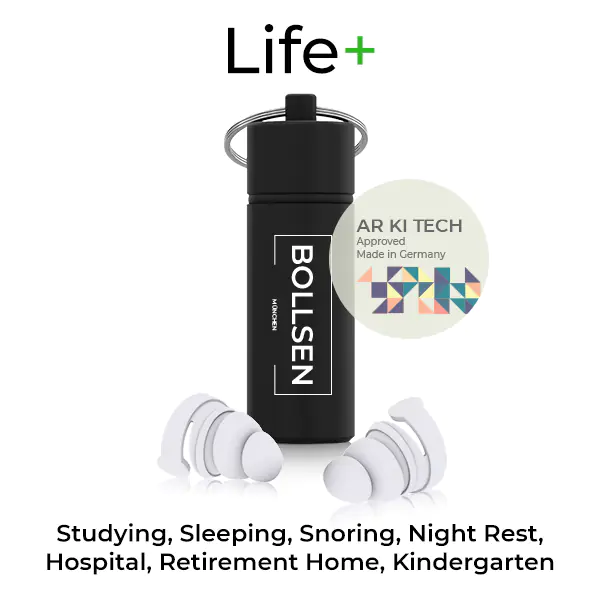
The main types of earplugs for sleeping are foam, silicone, and wax. Foam is inexpensive and disposable, silicone is soft and reusable, and wax moulds to the shape of your ear canal. For most people, reusable silicone earplugs such as Bollsen Life+ (rated 24 dB SNR) offer the best balance of comfort, hygiene, and nightly noise reduction, while foam suits high-noise settings and wax works for occasional use. The right choice depends on how much noise you need to block, how sensitive your ears are, and whether you sleep on your side.
There are several types of earplugs designed specifically for sleeping, with foam, silicone, and wax being the most commonly available options. Each material has its own unique feel, effectiveness, and use case. Foam is often budget-friendly and widely used for high-noise settings, silicone is praised for its soft, reusable design that suits sensitive sleepers, and wax offers a mouldable, natural alternative for custom comfort.
But with so many choices, how do you know which type is truly best for your personal needs?That’s where this comprehensive sleeping earplugs comparison comes in. We’ll guide you through the strengths and weaknesses of each earplug type, based on both technical features and real-world user feedback. Whether you need a high-noise solution, a gentle seal for side sleeping, or a reusable plug for long-term use, this guide will help you navigate the options with confidence.
By understanding the pros and cons of each material, you’ll be better equipped to select the best earplug for your routine, comfort level, and lifestyle, ensuring your nights are as quiet and restful as they should be.This is where understanding the different types of earplugs becomes critical. Earplugs aren’t all created equal. Some are designed for industrial environments, others for concerts or swimming, but when it comes to sleep, your needs are unique. You want an earplug that reduces disruptive noise effectively without causing pressure or discomfort throughout the night.

The right type of earplug can support your body’s natural rhythm, protect your hearing, and even improve your long-term sleep quality. Whether you’re a light sleeper, a shift worker, or someone who simply values a peaceful environment, choosing earplugs that match your sleep habits and physical sensitivity is essential.
That’s why a thoughtful comparison isn’t just helpful, it’s necessary. A well-rounded comparison takes into account noise reduction ratings (SNR), material safety, comfort for side sleeping, reusability, and even eco-friendliness. It helps you identify which type of plug will integrate smoothly into your bedtime routine while actually delivering the results you need.
In short, selecting the right earplugs for sleep isn’t just about finding something that “blocks sound.” It’s about finding the perfect match between effectiveness and comfort, one that transforms your nights and elevates your mornings. For a more in-depth look at how to match your lifestyle and sleep habits to the right earplug design, check out our guide: how to choose the best sleep earplugsThe WHO Environmental Noise Guidelines recommend indoor bedroom noise levels below 30 dB for undisturbed sleep, a level that well-fitted earplugs with an adequate SNR rating can help you reach in noisy environments.
Achieving that 30 dB ceiling depends on seal quality under position-specific pressure. Best earplugs for side sleepers and comfort under pillow pressure depend on profile height and rigidity as much as rated SNR. NRR and SNR ratings for sleep earplug selection explains which number to trust for each noise environment.Foam earplugs are one of the most common types of earplugs featured in any basic comparison. Known for their affordability and simplicity, these earplugs are made from soft, expandable polyurethane foam. They’re designed to be compressed before insertion, then expand to fill the ear canal, creating a physical barrier against external noise.
Pros:
Cons:
In this sleeping earplugs comparison, foam might be the right choice if you’re just beginning to explore your options, or need something disposable for a short-term fix. However, they fall short for people looking for long-term comfort, hygiene, or eco-consciousness.
Silicone earplugs are widely regarded as the premium choice among all sleeping options for sleep. They are made from medical-grade materials and provide a soft, flexible fit that gently seals the ear canal without expansion or pressure. In any serious comparison, silicone often leads the way for its balance of comfort, performance, and durability. In fact, a comparative study published in Frontiers in Psychiatry found that silicone earplugs offered an ideal combination of noise reduction and user comfort, making them one of the most recommended materials for consistent, high-quality sleep
Pros:
Cons:
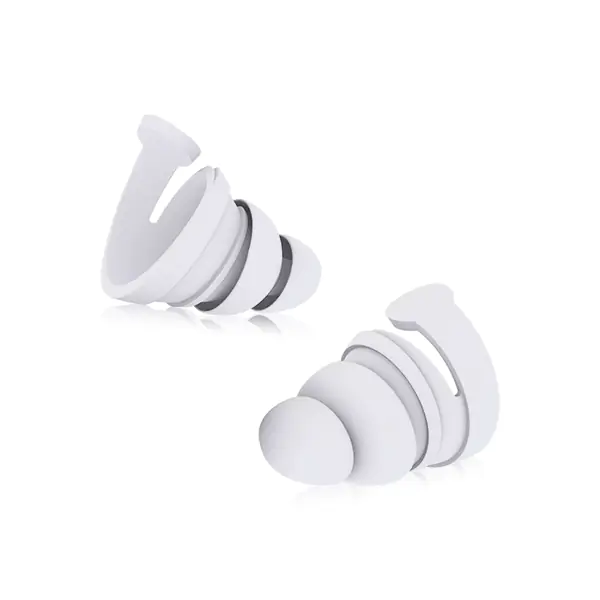
Among the options for sleeping, silicone models stand out for those who need reliable, long-term noise reduction without compromising on comfort. Our Bollsen Life+ Earplugs are built on these principles, ergonomically shaped, medically safe, and perfectly tuned for peaceful, uninterrupted sleep.
Silicone earplugs are soft and reusable, making them a popular choice for side sleepers. To ensure maximum comfort and noise reduction, learn how to insert earplugs correctly.

Wax earplugs represent one of the oldest and most natural option still in use today. Moldable and soft, they are made primarily from a blend of wax and cotton fibres, allowing users to shape them to fit the outer ear canal. In this guide, wax offers a unique middle ground between foam’s affordability and silicone’s custom comfort.
Pros:
Cons:
As a classic option in this guide, wax earplugs serve best for occasional use, travel scenarios, or users who prefer a minimalist, skin-friendly feel. While they may not offer the reusability or structure of silicone, they’re a comfortable and natural-feeling alternative among the many options available today.
| Material | Comfort | Noise Reduction | Reusability | Best Use Case |
|---|---|---|---|---|
| Foam | Moderate | Up to 33 dB | ❌ No | Occasional or budget use |
| Silicone | High | 24–30 dB | ✅ Yes | Daily, reusable, side sleepers |
| Wax | Good | ~23 dB | ❌ Partial | Travel, light sleepers, custom fit |
In any thorough comparison, silicone earplugs often come out on top, and for good reason. Our Bollsen Life+ model is built with sleep science and real user needs in mind.
If you’re comparing types of earplugs and want a solution that offers comfort, performance, and long-term value, Bollsen Life+ delivers on all fronts.
🛒 Ready to sleep better? Try Bollsen Life+ Earplugs today.
Navigating the different options doesn’t have to be complicated. This sleeping earplugs comparison has shown that while foam, silicone, and wax each serve a purpose, the best choice depends on your sleep habits, comfort needs, and whether you need a short-term or permanent solution.
For those seeking a dependable, eco-friendly, and supremely comfortable experience, silicone earplugs, like Bollsen Life+, remain the top recommendation.🛏️ Sleep is sacred. Let the right earplugs help you protect it.
Attenuation, comfort under sustained wear, and position compatibility differ by material. Sleep earplugs by type, SNR, and position compatibility compares how foam, silicone, and wax perform across the range of night-time noise environments.